Footprints Project
Since 2005, travelers like you have helped us change the world through micro-donations.
-
A total of
3397
Travelers
-
donated
$20010.65
(100% funded) -
to help improve
Environment
-
impacting
60
people -
in
Mexico
Project Background
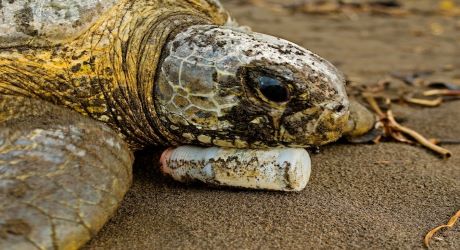
This SEE Turtles project aims to bolster conservation efforts of communities dedicated to protecting leatherback turtle nesting in four hotspots in Guerrero, Mexico. They will provide four conservation groups actively engaged in safeguarding marine turtles with plastic shredders to help their on-going effort to reduce plastic waste in their communities. These groups have been active in the past in collecting and storing waste from their beaches, however moving the collected waste to a recycling facility has proven challenging. The affected communities are Punta Maldonado, Playa Ventura, Barra de Tecoanapa, and Acapulco. Recycling centers in the Guerrero area are typically buying plastic waste at a rate of 0.25 USD per kg. Shredded plastic is valued at about 0.40 USD per kilo, however prices are variable. SEE Turtles could not find any recycling center that can collect plastics from storing points. They estimate that approximately 4 to 6 tons of plastic waste are stored in the four communities, with a potential value of roughly US$2,000 if the plastic is shredded. The recycling centers identified in Guerrero can further treat the plastic waste and send it for recycling.
Project Overview
The Grupo Tortuguero project in Mexico aims to strengthen community-led conservation efforts focused on protecting leatherback turtle nesting beaches in the four key hotspots along the coast of the state of Guerrero. After several years of attempting to collect and recycle plastic waste, they decided to collaborate with the Mechanical Engineering Department at the Universidad Tecnológica del Mar to take advantage of their expertise in building and maintaining the necessary machinery. Together, they plan to design and build locally adapted shredders that are suited to the energy conditions and needs of these coastal communities. The first step in this project is to design, build, and test pilot shredders at the university campus in Barra de Tecoanapa, which will serve as an initial hub for plastic treatment and product development. Once the pilot equipment has been successfully tested and refined, similar shredders will be distributed to three additional participating communities, along with hands-on training in machine operation and maintenance. This will enable the communities to shred plastic locally, reducing the volume and weight of material transported to the recycling hub. By shredding the plastic onsite, transportation costs and carbon emissions will be reduced, while increasing the payment received from recyclers (40 cents per kg vs. 25 cents per kg), with the added income to be reinvested into cleanup activities.
Project outcomes
This project will have significant outcomes for the four communities where the funds will be directed including:
- Completion of a pilot shredder at the local university
- Construction of 4 additional shredders for the participating communities
- Shredding and transportation to recycling facilities of an estimated 4 to 6 tons of plastic previously collected
- 8 beach cleanups (2 in each of the 4 communities) collecting an estimated additional 4 to 8 tons of plastic.
- These 8 to 14 tons will generate an estimated US $4,000 to $8,000 in income from the recycling company, which will be reinvested into purchasing additional machinery to allow these communities to recycle on site in future years.
Plastic shredders will facilitate transportation of waste to recycling centers identified in Acapulco and Cuajinicuilapa, reducing the number of trips required to transport the waste while reducing local air pollution and carbon emissions. Another benefit is facilitating the collecting of derelict fishing nets, which if left in the ocean can continue trapping ocean wildlife including turtles and other species. Furthermore, talks will be organized at local schools and public places to discuss the effects of plastics on the environment and people’s health, and work together to propose strategies to reduce waste production.
What costs are covered?
- Project management costs
- Plastic waste workshops
- Plastic shredder construction
- Storage facility
- Beach cleanup supplies
- Transportation (transferring existing waste to be recycled)
- Transportation (staff travel between communities)
- Workshop educational materials
- Maintenance for shredders
Partner and Community Involvement
This project will be overseen by the Grupo Tortuguero Network, a Mexican conservation organization. The network will support the communities efforts to purchase machinery and facilitate the funds to each of the local partners. The Universidad Autónoma de Guerrero collaborates with the Grupo Tortuguero Network and local partners to manage the turtle nesting data collection across these beaches and coordinates environmental education programs. The local implementing partners in each community are:
- Grupo Tortuguero de Barra de Tecoanapa
- Grupo Tortuguero de Punta Maldonado
- Campamento Tortuguero Los Quelonios
- Campamento Tortuguero Manejo Ambiental Playa Larga A.C.
Local partners will purchase and maintain the shredders, organize the cleanups, process the waste, and transport the waste to recycling facilities.
How does this project fit into a larger strategy?
SEE Turtles partners with more than 100 local organizations working worldwide to protect sea turtles and support coastal communities. Their Sea Turtles &Plastic program works with community partners to reduce plastic pollution in coastal areas in the Global South. This project encourages waste reduction and reuse of plastic waste on nesting beaches and nearshore ocean habitats. After this program launched in 2021, to date they have provided 50 grants totalling more than $120,000 in funding for 30+ community organizations in 20 countries that have cleaned an estimated 500,000 lbs of trash. Of that amount, an estimated 70,000 lbs has been recycled into products and supplies that generate funding for conservation efforts. They also manage the Travelers Against Plastic program which works with the tourism industry to advocate for plastic reduction while traveling and improving recycling infrastructure in destinations.
Traveling soon? When you buy travel insurance with us, you can make a contribution towards a cause you care about.
Get a quote