Here’s a guide to help you stay safe while exploring the Philippines.
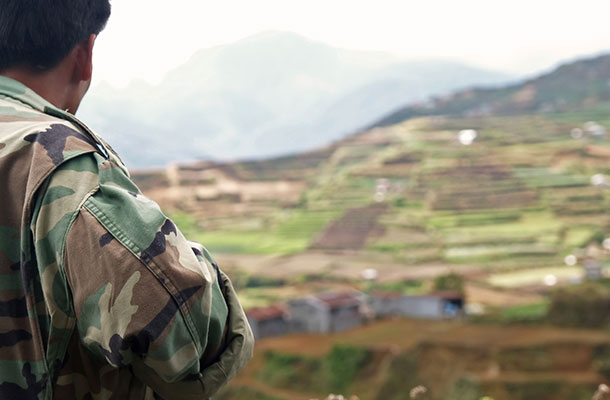 Photo © iStock/suc
At a glance
- Safety across the Philippines varies significantly by location.
- Popular tourist areas like Boracay and Ayala Triangle generally pose fewer risks.
- Some areas, such as Mindanao and Tondo, have higher levels of violence.
- Gun crime is a widespread concern and terrorism remains a threat in parts of the southern Philippines.
- Tourist scams are relatively common.
- Overall, the Philippines may be safe if you stay in well-traveled areas and use common sense.
With 7,640 islands and a population of over 117 million, the Philippines is a vast and diverse destination offering something for every traveller. At the same time, safety can vary across the country, with some areas among the safest in Southeast Asia, and others the most dangerous. Here’s a guide to help you stay safe while exploring the Philippines.
Why the Philippines is considered a safe destination
Tourism is incredibly important to the Philippines’ economy, accounting for 20% of its GDP in 2025. So Filipino authorities try to ensure safety in its popular tourist enclaves, like Boracay, Palawan, and Manila’s Ayala Triangle. Such areas are commonly patrolled by armed police or private security. This is part of the Philippines’ strong tourism infrastructure which also includes:
- Well-connected international airports.
- A vast array of accommodation.
- Endless variety of restaurants and bars.
- Cheap public transport - taxis, trains, buses.
- Excellent standard of English spoken by locals.
Is Manila safe for travelers?
Manila is gargantuan, home to 27 million people, equal to the population of Australia. Its suburbs range greatly, from slums, to gated communities of mansions. So tourist safety fluctuates enormously, based on the following locations.
Ayala Triangle - I’ve rarely felt safer anywhere in Southeast Asia than in downtown Manila’s rich, modern Ayala Triangle area, lined by fancy shopping centres and plush condos, and patrolled by armed private security.
Intramuros – Manila’s best tourist attraction, Intramuros is a 16th century citadel built by the occupying Spaniards. By day, it’s a safe area to wander and sightsee, although by night it becomes far more dangerous.
Malate – My first time in Manila I made the mistake of staying in Malate. I assumed it was safe due to hosting tourist attractions like Manila Zoo, the Baywalk promenade, and the Museum of Contemporary Art and Design. But it’s also home to a nightlife area brimming with street crime.
Tondo – Tourists are unlikely to visit Tondo deliberately. But they could accidentally wander into this dangerous slum, because it borders the touristy Chinatown area. Tondo residents suffer from inadequate housing, health, education and employment services. As a result, crime flourishes.
How dangerous are Boracay and Palawan?
Tourists adore Boracay and Palawan, tropical beach getaways blessed by sublime coastal scenery. Here’s safety issues to consider at these two beautiful destinations.
Water sports scams – Many tourists to Boracay and Palawan do watersport activities like jet skiing. Unfortunately, it’s easy for them to be scammed. Most commonly, when they rent a jetski, they don’t notice it’s covered by subtle pieces of tape, which hide pre-existing damage. Once you return the jet ski, the scamming vendor will surreptitiously remove the tape, claim you caused that damage, and give you an enormous bill for repairs. Stay safe by only renting a jetski via a reputable hotel.
Speed boat danger – Speed boat tours of neighouring islands and beaches are popular with tourists to Boracay and Palawan. Unfortunately, they have poor safety standards. Often they speed, ignore severe weather warnings, and don’t have sufficient life jackets on board. If you want to visit another island, it’s best to book this activity with a reputable hotel.
Scams in the Philippines
Unfortunately, poverty is so widespread in the Philippines that some desperate people resort to scamming tourists to survive. Here’s three of the most common scams and how to avoid them.
Money changing scam - My late father, a veteran traveller, fell prey to this common scam in Manila. Money changers advertise an extremely attractive exchange rate to lure tourists. The vendor takes your foreign currency, counts it on a benchtop, and then shows you the correct amount of Philippines Pesos. As they give you the Pesos, they use sleight of hand to drop some of these notes under the benchtop. The solution: Always change money inside banks.
Manila horse-drawn carriage scam – Horse-drawn carriage rides are offered at several of Manila’s most popular tourist areas. Unfortunately, some of these operators rip off foreigners. When tourists ask for a ride, the driver will tell them to get in, then avoid discussing the price. At journey’s end, they’ll quote an exorbitant figure and, if you object, will raise their voice and gesticulate to intimidate and embarrass you. To be safe, confirm the price first or avoid the carriages altogether, as the horses may not be treated kindly.
Taxi scams - Unfortunately, a minority of Filipino taxi drivers refuse to use their meter and then massively overcharge foreigners. So, before I enter a taxi here, I ask the driver if they’ll use the meter, and then watch them activate it. Typically, the scamming drivers wait around outside the busiest tourist areas. Avoid them by ordering a taxi on your phone via apps like Grab.
These statements relating to potential scams do not constitute a representation of policy coverage or suitability. See the policy wording for full terms, conditions, limitations, and exclusions.
Gun crime in the Philippines
The Philippines has a huge firearm problem, with more than 600,000 unregistered guns in the country, according to research by the University of Sydney. While most of this gun crime occurs in slums, where tourists are unlikely to venture, travellers still need to take precautions to avoid being robbed:
- Do not pull out wads of cash in public. Where possible, it is safer to pay for things using your bankcard.
- Do not wear expensive jewelry, leave it in the lockbox of your hotel room.
- Try to minimize the amount of time you are holding your expensive phone. Instead, keep it tucked away.
Travel Insurance in the Philippines
Travel insurance may play an important role when visiting the Philippines, where safety can vary and unexpected situations may arise. Whether you’re exploring busy cities, remote islands, or taking part in water activities, having travel insurance may help protect your wallet against unforeseen events such as medical emergencies, trip cancellations, delays, or stolen belongings. If something goes wrong, it may also give you access to 24/7 emergency assistance. While it won’t prevent incidents from happening, travel insurance plans, like those from World Nomads, may provide valuable support in dealing with the aftermath.
Terrorism in the Philippines
Few places in the world are as plagued by terrorism as Mindanao, the second-largest island in the Philippines, located in its deep south. For decades it has been haunted by Islamic terrorists, most prominently the Abu Sayyaf Group. Here’s what to know:
- The US Government not only advises its citizens to reconsider traveling to Mindanao, but instructs them to completely avoid Marawi, in western Mindanao.
- In 2017, pro-Islamic-State extremists laid siege to Marawi City for five months, leading to hundreds of deaths as they fought against the Philippines military.
- More recently, terrorists have executed bombings and suicide attacks in public spaces in Mindanao.
- If you must visit there, you should be wary of visiting crowded places that are attractive targets for attacks, like shopping centres, nightlife precincts and busy markets.
*Travel insurance coverage may not be the same or available for residents of all countries, states or provinces. Please carefully read your policy wording for a full description of coverage
Related articles
Simple and flexible travel insurance
You can buy at home or while traveling, and claim online from anywhere in the world. With 150+ adventure activities covered and 24/7 emergency assistance.
Get a quote
4 Comments
I am planning to visit Polomolok South Cotabato 9504 where my girl friend reside in November 2024 to spend Xmas and get engaged / marry ' I am Black and I know that I will stand out as a black man. How safe will I be safe living there. Thanks In Advance for you Help
mr al my wife and i were in polomolok to visit family and our properties this year march/april for 6 weeks
people are very warm skin color makes zero difference sir the US could learn from them on this topic
now most of the people speaking about how bad it is have never stepped foot in south cotabato sir
its not how it was in the 90s when the insurgency was rampant u just have to be aware vigilant and humble dont be flashy or act better than them and ur good u will stand out as i did they will stare but just because not as many foreigners in polomolok i saw probably 10 during my 6 weeks but i was mostly on our farm all day u will be fine tho sir race not an issue my asawa half black and half filipina and im country white as u can get so relax have fun be humble and u will be loved
Is it safe for a Canadian to visit a woman in Butaan Philippines, I have always favored Luzon,as my philipino friends I know in Canada have suggested
Like to visit for a couple months and come back to Canads and contemplate retirement Philippines or Canada
Need a 100,000 pesos monthly in Canada
Thanks Mike Johnson
In reply to Al Marshall and Mike Johnson.
To get a reply about how safe it is in specific places, you might be better off trying one or two of the forums for expats in the Philippines. It sounds like you're both going to visit girls that you've never met in person. I think the dangers are not that you'll get kidnapped or shot at, but in interaction with other people, especially the girl friend and her family. If you're lucky, they will be a respectable family that wouldn't dream of cheating you or stealing your stuff. If you're unlucky, they will be after your money. Statistically, there are no doubt more of the respectable kind, but among girls you meet online, and their families, there may be more of the other kind.