FIFA 2026 World Cup Safety
- As featured in:
As featured in:
Is It Safe to Travel to the World Cup 2026? What Fans Should Know
By Ellen Hall
Thu, 16 Apr 2026
The FIFA World Cup starts on June 11. Are the host cities ready? And will fans be safe? Find out what security measures FIFA and the host cities have in place, and how travelers can prepare themselves for this one-of-a-kind tournament.
The FIFA World Cup 2026 will be the largest yet. The first one to be held across three host countries – Mexico, Canada, and the United States – it will feature 48 teams and a total of 104 matches across 16 cities. The tournament is expected to draw nearly 17 million visitors.
FIFA and the host cities have spent years preparing for this enormous event. But is the World Cup safe for travelers? Read our World Cup 2026 guide for fan travel tips and safety advice.
Is it safe to travel to the World Cup?
Cities that aspire to host the World Cup must meet very strict safety and security requirements . FIFA conducted its inspection of potential host cities for the 2026 World Cup back in 2021. Officials assessed the stadium infrastructure, local transport, airports, technical and security infrastructure, and Fan Festival venues.
Once the host cities were finalized, FIFA pinpointed areas where the stadiums needed to improve capacity, accessibility, security, and traffic flow. Several additional rounds of inspection have taken or will take place before the tournament.
While FIFA also has requirements for security outside the stadium (including surveillance cameras in areas associated with the tournament), the host city is ultimately responsible for safety and security operations for all aspects of the tournament.
Despite these extensive preparations, unexpected situations can still arise, such as the sudden cartel violence in Mexico and the US military incursion in Iran. When asked about those developments in early March , Amy Hopfinger, FIFA's Chief Business and Strategy Officer, said, “The dynamic shifted over the last two weeks, whether in Mexico or in the Middle East. It will continue to shift over the next 94 days, but safety and security is a priority for us. It's at the forefront of everything we're doing in the planning. It's something we think about every day.”
Safety considerations by country and city
While Mexico, Canada, and the United States are neighbors, they are also quite different from one another geographically and culturally. Each country is also very large and diverse, and some places are safer than others.
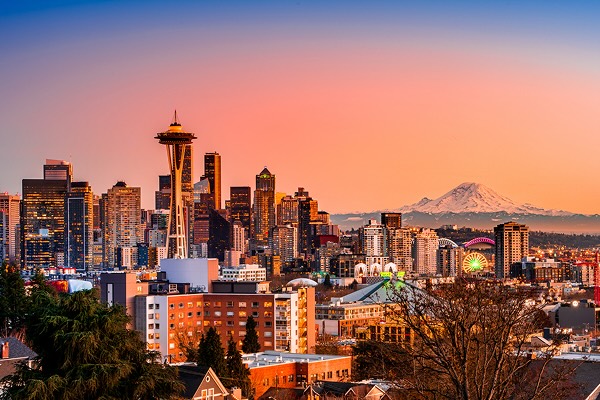
USA FIFA World
Cup
The US will hold 78 World Cup matches at stadiums in 11 host cities. Learn how each of these cities is preparing for the World Cup, and how you can prepare for the event yourself, in our complete USA safety guide.
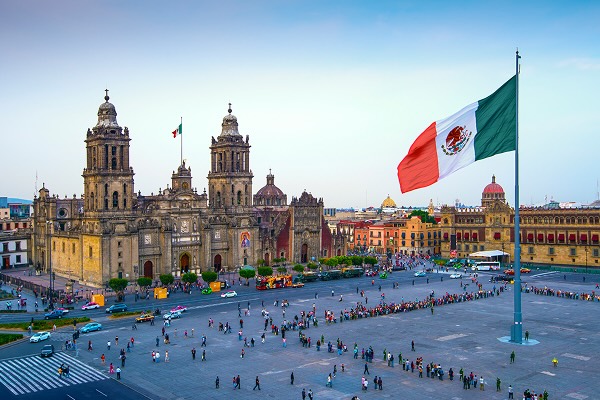
Mexico FIFA World Cup
Mexico is hosting 13 World Cup matches in three host cities. The tournament is expected to draw as many as 5.5 million visitors. Learn how the cities are preparing and what to expect in our complete Mexico safety guide.
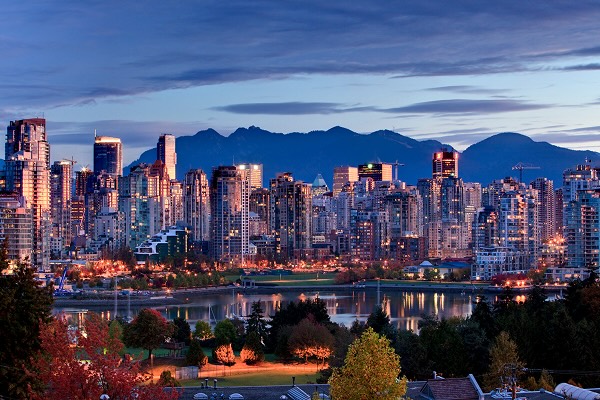
Canada FIFA World Cup
Canada will host 13 World Cup matches across its two host cities. While Canada is considered an overall safe destination, it's still good to be prepared. Get tips on how to have a trouble-free visit in our complete Canada safety guide.
What are the biggest safety concerns for fans?
-
Pickpocketing
Large crowds tend to attract pickpockets, who take advantage of jostling and distractions. Secure your belongings on public transit and other crowded places, stay alert, and be wary of strangers in your personal space.
-
Crowds and stampedes
Crowds can get out of control when a large number of people suddenly rush towards something (a crowd crush) or away from something (a stampede). Make note of the exits when in a crowded place and have a plan in case things get out of hand. Steer clear of groups of people who seem intoxicated, overly boisterous, or trying to start an altercation.
-
Transportation after matches
The host cities have made accommodations for large crowds after the matches, extending the hours for public transit and/or adding shuttles or dedicated trains. But make sure to check when transit is running and where to catch it, so you aren’t left stranded.
-
Extreme heat and weather
All three host countries have experienced record-breaking heatwaves in recent summers. Prepare yourself for the possibility of extreme heat. Stay hydrated, seek out shade and misting structures, and wear sunscreen and sun-protective clothing.
-
Protests or civil disruptions
Demonstrations are relatively common in all three host nations. If ICE agents are present at World Cup events in the US, there may be protests near those venues. Visitors are advised to steer clear of protests, as they can sometimes turn violent (and in Mexico, it is illegal for foreigners to take part in political demonstrations).
-
Scams targeting tourists
Unfortunately, where there are tourists, there will be scam artists trying to take advantage. In all three host countries, travelers should watch out for:
- ATM skimming scams (avoid by using an ATM inside a bank or busy mall, or use tap-to-pay options)
- Romance scams on dating sites (be wary of someone making urgent financial requests)
- Fake ticket sellers (only buy World Cup tickets from the official FIFA website or from a reputable secondary market such as StubHub)
In Mexico, travelers should also watch for unlicensed taxis and fake police. To avoid trouble:
- Never flag down a taxi on the street – hire one from an official taxi stand or have your hotel or restaurant call one for you.
- If a policeman approaches you in Mexico, ask for credentials – and keep in mind a real police officer will not ask you to pay a fine on the spot.
How host countries prepare for major sporting events
The host countries are not strangers to major sporting events. The United States hosted the Winter Olympics as recently as 2002. Canada hosted the Winter Olympics in 2010. And in 2026, Mexico will become the first nation to have hosted three FIFA World Cups.
However, the FIFA World Cup 2026 is expected to be the largest ever. All the host cities will experience a massive influx of visitors over several weeks – in some cases, beyond what they have dealt with before – and their transit, security, and emergency services need to be ready.
Host cities must provide FIFA with a security strategy for:
- Matches at the stadium
- Other competition-related events
- Transit hubs such as airports and train stations
FIFA also requires each city to provide adequate public transport and emergency services for the tournament.
-
Stadium security
All 16 World Cup stadiums have undergone renovations for the tournament. These vary somewhat from venue to venue but typically include:
- Updated entrances, exits, stairs, and corridors to improve traffic flow
- New or improved surveillance and security screening systems, often utilizing AI technology such as real-time crowd behavior analysis or robotic dogs
The cities will host a series of friendly matches in the months before the main tournament to test logistics at the stadium and on transit and make any necessary adjustments.
All stadiums will have an outer perimeter enclosed by a 2.5m (8ft) fence. This outer perimeter is set far enough out from the main stadium entrance to allow the safe flow of large crowds. The first set of ticket checks and security screenings will take place here. Fans must pass through metal detectors, and there are strict guidelines for what can be brought inside.
The night before each match, the outer perimeter area will be swept by security patrols and bomb-sniffing dogs and then secured until the gates open for the match.
-
Law enforcement presence
All host cities have announced plans to increase their law enforcement and security presence at the stadiums, on public transit, at World Cup-related events, and in tourist areas where visitors will be spending time. These efforts include:
- Large-scale training exercises and coordination between local law enforcement, federal agencies, and emergency management
- Implementation of anti-drone technology
- Dedicated law enforcement officers around stadiums, in transit corridors, and on public transit
-
Public transit
Some of the host cities already have extensive public transit systems, while others are more car-dependent. But all of them have expanded their existing systems with new or improved lines, stations, and/or shuttle buses to meet the increased demand and transport fans efficiently between the airport, downtown area, and stadium.
Many host cities have also made major improvements to their airport to prepare for large numbers of passengers.
-
Emergency response planning
Events that attract massive crowds, such as the World Cup, can lead to an increase in health issues such as injuries or food-borne illness, putting a potential strain on hospitals. Cities must also prepare for the possibility (however unlikely) of a natural disaster or terror attack. In advance of the tournament, host cities are:
- Creating emergency management task forces to share operating procedures between host cities and states, and establish lines of communication with FIFA
- Evaluating existing trauma response strategies to ensure they can handle extra demands on the health and emergency systems

How Cultural Differences Will Impact the FIFA World Cup 2026
Canada, the US, and Mexico may be neighbors, but they are very different culturally. How will the World Cup fan experience vary in each country? Our guide breaks it down.
Smart travel-safety tips for any host city
Wherever you travel for the World Cup – or anywhere else, for that matter – certain precautions are always worth taking.
-
Register with your embassy
The Smart Traveler Enrollment Program (STEP) allows US travelers to enroll their trip abroad, so they can be easily reached in emergencies and receive alerts for the destination they’re visiting. Other State Departments, such as the UK and Australia, encourage travelers to sign up for travel advice and alerts. They will often be the first to know if something changes.
-
Monitor local alerts
Along with State Department alerts, it’s a good idea to set up local alerts for emergencies and natural disasters. In the US, Ready.gov delivers information on weather, imminent threats, and local incidents. In Canada, the Alertable app connects to Canada’s nationwide Alert Ready system and is used by many local governments. In Mexico, the highly rated SASSLA app offers early warnings about earthquakes. This is just a sampling of the resources available.

Travel Insurance Considerations
Mishaps can occur even on the best-planned trip. Maybe the airline loses your luggage or cancels your flight. Maybe you trip over someone’s discarded costume or eat a snack from the wrong food vendor. Keep in mind that if you do get sick or injured, your personal health insurance may not cover you when you’re far from home. Travel insurance may help cover your expenses in case of a medical emergency or other misadventure.
Learn moreTravel wiser at the World Cup
Explore World Cup destinations

Travel insurance tips
FAQ
Here are our most frequently asked questions about the World Cup.
-
Is the World Cup safe for families?
Security will be tight at all World Cup venues, but to help ensure a safe experience, consider buying tickets in an alcohol-free zone where fans may be less boisterous. FIFA Fan Festivals are designed to be family-friendly experiences with areas and activities specifically designed for kids.
-
Are World Cup fan zones safe?
At the FIFA World Cup 2026, there will be two kinds of events for fans without tickets: Fan Festivals and Fan Zones. Each host city will hold a Fan Festival in an iconic location. General admission is free, though advance tickets or reservations are required. Attendees will need to pass through a security check, and there will be a strict policy on what is allowed inside. Bag checks may not be available. Fan Zones are smaller events held in various locations around each host city. These events are free and open to the public. Security may be less strict at Fan Zones, but both Fan Zones and Fan Festivals are designed to be family-friendly. To learn more about the Fan Festivals and Fan Zones, visit the World Cup website for the specific host city you will be visiting.
-
Is public transportation safe during the World Cup?
All of the host cities have made improvements to their public transit for the tournament. In some cases, new lines or transit routes have been created specifically to handle stadium crowds. Transit security has also been increased. However, it’s still important to secure your belongings and stay alert on public transit and other crowded places.
-
Should I buy travel insurance for the World Cup?
FIFA and the host cities have spent years preparing for the tournament – but they can’t prevent an airline from losing your bag or keep you from falling unexpectedly ill. With coverage for medical emergencies, trip cancellation, trip interruption, and stolen gear, travel insurance may help ensure your World Cup experience is memorable for all the right reasons.
No Comments