Australia offers everything from iconic city sights and beaches to wildlife and natural wonders across its vast, varied landscapes. Drawn by the sunshine, lifestyle and outdoor experiences, it’s no surprise Australia remains a favourite with Canadian travellers. If you’re flying into Sydney, make the most of all the harbourside fun, then keep going. Explore the beaches, towns and cities of the east coast, discover indigenous culture in the Red Centre and venture to the pristine coastlines of Tasmania and Western Australia – all kinds of adventures await. However, even the best-planned trip can take an unexpected turn. Travel insurance may help you navigate it.
Plan Comparisons
Choosing the right travel insurance coverage depends on your trip type and planned activities. Each of our four plans – Standard, Explorer, Epic and Annual – offers different coverages and benefit maximums.
Travel insurance for adventure activities in Australia
Australia more than delivers when it comes to adventure. Dive or snorkel the Great Barrier Reef, take in the views on a Blue Mountains bushwalk, or tackle a multi-day hike in Tasmania’s wilderness. Along the east coast, surf breaks roll into beach towns from Byron Bay to Cairns, while inland, follow red dirt trails through ancient lands. If you want to dial up the excitement, skydive over the Whitsundays, swim with whale sharks at Ningaloo Reef (it’s worth the journey), sandboard on the dunes of Port Stephens or 4WD across Fraser Island (K’gari) – it’s a destination that makes it easy to get your heart rate up.
Bobsled / Bobsleigh (in snow)Dog sleddingGlacier walking (ice walking)Sleigh rides (horse drawn)Snow bikingSnow raftingSnow mobilingSnowshoeingTubing on snow
Optional extras
Ice climbingIce fishingKite wing (snow)Ski instructor or guide (paid or volunteer)Ski joringSkiing (cross country/nordic skiing on marked trails/power assisted skiing/snowblading/on piste or off piste within resort boundaries/backcountry/outside of resort boundary/alpine ski touring/by helicopter/snow cat/dry slope/terrain park within resort)Sledding/Tobogganing/Snow Sleds/Snow Sleighs (on snow)Snow kitingSnowboarding instructor or guide (paid or volunteer)Snowboarding (back country/ outside of resort boundary/ alpine ski touring/by helicopter/ snow cat/dry slope/on piste or off piste within resort boundaries/terrain park within resort)
Aerial safariBallooning - hot airBungee/Bungy jumpingCanyon SwingFlying as a passenger in a licensed scheduled or chartered aircraft or helicopterHot Air BallooningKite flying
Optional extras
Fly by wireGlidingHang glidingParachuting (one jump only)Paragliding/parapentingSkydiving (one jump only)Tandem skydiving (one jump only)Zip line
Backpacking up to 3,000 metresBMX - on roadBobsled (non-snow track)BushcraftBush walking up to 3,000 metresCamel RidingCamel TrekkingCamping up to 3,000 metresCaving (sightseeing/tourist attraction)Cycling up to 3,000 metresDirt BoardingDune BuggyElephant Riding/TrekkingFell Running/WalkingHiking up to 3,000 metresHorse riding (leisure/social/non-competitive riding)Moped ridingMotor biking (on road, passenger with a licensed driver)Motor racing experience (passenger only)Mountain biking up to 3,000 metres in elevationOrienteeringRamblingSandboarding/sandskiingScooter biking/ridingScrambling (up to 3,000 metres)Stilt walkingTrail bike riding (non-motorized)Tramping (up to 3,000 metres)Trekking (up to 3,000 metres)War games (online gaming)Zorbing
Optional extras
Abseiling (rappelling, rapping, rap jumping, deepelling , abbing)ATVingBackpacking up to 6,000 metresBicycle poloBMX - off road / on track / cross countryBoulderingBush walking up to 6,000 metresCamping up to 6,000 metresCanyoning (outdoor under 6,000m - multi-pitch climbing / sport climbing / bolted / aid climbing / traditional climbing / top or bottom rope climbing)Caving/spelunking/potholingCrewing of a vessel less than 60 miles from a safe havenCycling (incidental to the trip; independent touring; on organized tour, up to 6,000 metres in elevation)DeepellingHiking up to 6,000 metresLand surfingMotor biking (off road)Mountain biking/ gravel biking (on or off road / downhill / cross country) up to 3,000 metres in elevationMountaineering to 6000 metresOutward BoundParasailing (over land)Quad bikingRap jumpingRapellingRock climbing (bouldering, indoor & outdoor under 6,000m)Scrambling (up to 6,000 metres)Skateboarding (ramp, half pipe, skate park, street)SkeletonSpelunking (caving)Tramping (up to 6,000 metres)Trapeze/High WireTrekking (up to 6,000 metres)Via Ferrata
Au Pair / nanny (paid or volunteer childcare)Bar work (hospitality)Fruit picking (WWOOFing, general farm work, manual work)Office work (paid or volunteer clerical)Retail work (shop assistant / manager, general retail, manual work)Safari toursTeachingTheme parks / fairgrounds
Optional extras
Construction or renovation work (paid or volunteer manual work painting, without the use of power tools, labourer, operating machinery, roadwork, working at height)Instructor or guide in covered activitiesSegway toursTough Mudder
Activities shown in blue are automatically included in the Standard, Explorer, Epic and Annual Multi-Trip Plans.
Activities shown in orange require an optional upgrade for coverage to apply.
Special conditions and exclusions may apply to certain activities, check the Travel Insurance Policy for full details.
Common insurance considerations for Australia
Accidents and emergencies
Concerned about Australia’s dangerous animals? No one likes imagining snake bites, shark attacks or jellyfish stings, and you’re unlikely to encounter them on your trip, but if you do get seriously sick or have an accident that sends you to hospital, you’ll be glad you purchased travel insurance. Had an accident learning to surf? Ate a wallaby burger past its prime and came down with a nasty bout of food poisoning? Emergency assistance is a phone call away.
Trip interruption
No matter how good of a time you’re having in Australia, things can happen that mean you have to end your trip early or you’re unable to participate in your full planned itinerary. If you get severely injured or sick while you're travelling, or you get a call from back home and learn that an immediate family member has unexpectedly passed away, you may not be able to complete the rest of your planned trip. World Nomads offers trip interruption coverage that may help you get reimbursed for prepaid, non-refundable travel costs if your plans change for a covered reason.
Trip cancellation
The best trips are often the ones you’ve planned months in advance, but you can’t predict the future and unexpected situations can sometimes happen before you even set off. Trip cancellation coverage is included in all single-trip and annual travel insurance plans offered by World Nomads and gives you the opportunity to cancel your trip before you depart – but only for covered reasons. Optional Cancel For Any Reason coverage allows you to cancel for any reason that’s not otherwise covered by your plan. Broke up with your partner? You can cancel your trip. Sick dog? You can stay home to care for your fur baby. Change your mind about travelling? There’s no judgment here. Just make sure you purchase Cancel For Any Reason insurance cover within 15 days of making your first trip payment (like booking a hotel or flight).
Missing luggage
Nothing gets a trip off to a rocky start quite like arriving in Sydney airport without your bags. If your checked luggage is lost or delayed, travel insurance benefits may help reimburse you for lost items. Keep original receipts for any personal items you buy – like a toothbrush, medication or a change of clothes. The first step is always to report missing luggage to your carrier and check what compensation they may provide.
Tips for travelling to Australia
Swim between the flags and follow the advice of surf lifeguards – surf conditions can change by the hour
Leave word with your accommodation about where you’re going if you’re heading off on a hike – finding you will be that much easier if you happen to get lost
Avoid sunburn with sunscreen, a hat and protective clothing, even on overcast days
Don’t underestimate the vast distances in Australia when you’re planning your trip – it’s a big country.
FAQ
Here are our most frequently asked questions about cover for Australia. You can also find the answers to other questions in our Help Center or you can ask the customer service team.
Yes. Canadians need to apply for an Electronic Travel Authority (ETA) before travelling to Australia. It’s a quick process via the ETA app, and approval is usually granted within a short time.
Australia is generally a very safe destination, with low levels of violent crime. It’s important to be aware of natural risks such as strong ocean currents, wildlife and extreme weather conditions.
Australia’s seasons are opposite to Canada’s. December to February is summer, ideal for beaches, while spring (September to November) and autumn (March to May) offer milder weather for travelling. The best time depends on which regions you plan to visit.
Australia is vast, and travel times between regions can be long. Domestic flights are common, and many overseas visitors focus on one or two regions rather than trying to see everything in one trip. The Big Lap of Australia, covering over 15,000 km, typically takes 3 to 12 months to complete comfortably by road. Shorter road trips can be a more practical option.
Travel insurance isn’t mandatory, but it’s strongly recommended. Cover for accidents, medical emergencies, cancellations, delays and lost luggage can help protect you against unexpected costs. Whether you’re in a major city or off adventuring in a more remote location, it’s reassuring to know you can get the help you need – especially when it comes to an accident or sudden illness.
You can make a claim online 24/7. Have your documents and receipts handy to upload, and get started. If you get stuck, you can call us collect on +1 416 646 3723 or send an email to worldnomads@travelguard.com and we will assist you with your claim.
When you call, you’ll be asked if you are experiencing a travel emergency. If you are having a medical emergency, you’ll be connected with Emergency Assistance right away. If your situation is not urgent and you are calling outside of normal business hours, you’ll be able to leave a message and be called back.
The contact information for medical emergency assistance is:
Phone: +1 866 878 0192 (toll-free from Canada and the Continental U.S.); or
Phone: +1 416 646 3723 (collect from anywhere else in the world)
This article is for general informational purposes only. It is not intended to provide medical, legal, insurance, or travel advice and provides only a general summary of certain features that may be available under applicable travel insurance policies. Coverage is subject to the specific terms, conditions, limitations, exclusions, and pre-existing condition provisions of the applicable insurance policy. In the event of any inconsistency between this article and the wording of any insurance policy, the policy wording shall govern and take precedence. It is important that you read and understand your policy before travelling. If you have questions about your coverage or are unsure how your policy applies to your circumstances, please contact us for clarification.
Travel Insurance Benefits: how we can take care of you
Trip Cancellation
Been working hard for your trip?
We'll work hard to protect it.
Trip Protection
Unexpectedly hospitalized?
Travel buddy unfit to travel?
Close relative suddenly dies?
We’ve got your back.
Emergency Medical Expenses
Feeling fit and healthy? What if you get sick or injured?
Take the pain out of medical or dental costs.
Emergency Medical Insurance
Need meds quick?
Accidentally injured?
Suddenly sick?
We’ve got your back.
Emergency Medical Transportation
Know where the nearest hospital is?
Don’t stress, we’ll get you there quickly.
Evacuation and Repatriation
Banged up abroad?
Need a hospital urgently?
Medevac home?
Help starts here.
Protect your gear
Love photography, filming or sport?
Cover your bags, tech or gear.
Protect your gear
Passport or tech stolen?
Airline lost your gear?
Bags delayed?
Help starts here.
Emergency Overseas Medical & Dental Expenses
Emergency Medical Evacuation & Repatriation
Trip Cancellation or Interruption
24-Hour Assistance Services
Baggage
And more (depending on your country of residence)
*This is a general summary only. Restrictions, exclusions and limitations will apply. Coverage may not be available for all countries, states or provinces. Benefit limits may vary depending on the plan chosen. Get a quote for full details.
Brazilian residents are not covered by World Nomads travel insurance plans for the destination of Nepal.
Why is travel insurance to Nepal so expensive?
Travel insurance providers around the world have been hit with an extremely high number of claims in Nepal, which seriously threatens the viability of providing cover.
Insurance, which has been costing travelers around $100-$150 USD for a three-week trip, pays for helicopter evacuations that cost $5000 USD. And there’s been an extraordinary number of them. In April 2019 we had to deal with and pay for 140 helicopter evacuations – that’s more than four per day!
In 2014, 5% of claims for one part of our business was from travelers in Nepal. In just three years this had increased to 25%. In the most recent 2019 trekking season, the percentage of our travelers in Nepal who made a claim rose from 15% to 60%. This is why premiums have risen dramatically for some World Nomads customers (the price change doesn’t apply to policyholders who are residents of USA, Canada, Brazil, China or Philippines).
There are lots of claims, and the cause is varied and complex
There is evidence of Nepalese providers over-servicing and inflating costs. This has been documented by several investigative journalists as you can read in this article published by The New York Times. Those investigations have revealed trekking companies, acting as ‘middlemen’, are collecting commissions of 50% of the cost billed to insurers. Helicopter companies are billing for four-hour flights that take only two or three hours and charging an inflated hourly rate. Hospitals have admitted to producing fake invoices for patients they never treated and have been accused of performing unnecessary medical procedures on Acute Mountain Sickness (AMS) sufferers.
There are now more than 2000 trekking companies in Nepal, and they are under pressure to move more travelers through treks at a faster rate, which may be contributing to the rise in AMS cases. Altitude sickness plays no favorites and can strike anyone regardless of their level of fitness and preparedness. Greater numbers of unwell trekkers means an increase in insurance claims. Please note, however, that the percentage rise in AMS cases far exceeds the percentage rise in travelers.
How travel insurance works
Like any insurance, we collect a pool of money from insurance premiums, which those in need can call on to pay bills. If the amount of money going out exceeds the amount being paid in, obviously the pool will empty. Right now, that pool is emptying fast and it’s mostly going out through Nepal.
The average cost of a claim from Nepal is $3000 USD. By comparison the average claim cost from the USA is $1600 USD – and the US has the most expensive medical system in the world.
What are our options?
We could stop offering plans which cover Nepal, which is exactly what some travel insurance providers have done. But we don’t want to do that. We love Nepal. We love that you love Nepal. Pulling out of the market would also not be the right thing to do by the Nepalese people. They have given so much to travelers over the years, we don’t believe it is right to abandon them. We’re doing everything we can to avoid that.
We could put prices up across the board for travelers to all destinations. In other words, everyone pays more, regardless of where they’re going, to put more money in the pool. Frankly, we’ve been doing that. A little bit of the premium for someone traveling to a low-claim destination helps offset the cost of the premium for someone traveling to a high claim destination. But continuing to do it is not fair on Nomads not going to Nepal because the costs are now excessive.
The alternative is for travelers to Nepal to pay a fairer share of the costs and carry a higher burden of the risk. We’ve used this strategy in the past, but it hasn’t been enough. This is why the premium has gone up so much. Be warned, it could go even higher if the situation in Nepal doesn’t change.
What we’re doing about it
We are continuing with what we call “cost containment” procedures, such as:
Asking trekking and helicopter companies and hospitals to justify the bills they are sending us.
Asking for flight manifests and other documentation, not to make travelers jump through hoops, but to understand if what’s been charged is a fair price.
Negotiating with trusted providers to set fixed prices for services.
Sending investigators into Nepal to interview and counsel providers.
Sending team members to Nepal to negotiate better deals with providers.
Asking trekking companies to call us for approval, where possible, before commencing an evacuation. We have asked if we can speak to the traveler prior to evacuation commencing.
Working with the Nepalese government to find a solution to this problem.
What we are NOT doing is threatening to boycott Nepal or withdraw our services. We believe collaborative effort can find a solution that is right for our travelers, the Nepalese people, the trekking companies and the insurers.
What you can do to help
First, know that your health and wellbeing is our primary concern. If you are suffering from altitude sickness, please call our 24/7 Emergency Assistance Team as soon as possible. We will do everything in our power to get you the medical care you need and will assist you in overcoming the condition. If it is possible (and it’s not always) call us to discuss your situation. Despite what you may be told, all the lodges at Gorek Shep have landline telephone connections, and all trekking companies have phone connection (cell or satellite).
Be as prepared as you can before commencing a trek.
Take extra time to acclimatize before heading to higher altitudes.
If you suffer from symptoms of AMS descend to below 3800 meters, where medical evidence shows the symptoms will dissipate in between 12 and 24 hours. If that doesn’t work, you will need emergency evacuation and we’ll arrange it.
Acknowledge that at high altitude you may struggle to cope with the unfamiliar conditions – the cold, the lack of oxygen and the physical activity.
Before you go, please familiarize yourself with what’s happening in Nepal and your policy wording, and where possible contact us before agreeing to any evacuations. Your health is paramount but eventually these rising costs will discourage travelers from choosing to go to Nepal, which will hurt the Nepalese people economically.
Are you sick in the mountains?
If you are presently in Nepal and suspect you are suffering from Acute Mountain Sickness (AMS) you should immediately contact our 24/7 Emergency Assistance team. Symptoms may include headaches, nausea, shortness of breath and inability to exercise. Most cases are mild but some are life-threatening.
Travel Insurance Benefits: how we can take care of you
Trip Cancellation
Been working hard for your trip?
We'll work hard to protect it.
Trip Protection
Unexpectedly hospitalised?
Travel buddy unfit to travel?
Close relative suddenly dies?
We’ve got your back.
Emergency Medical Expenses
Feeling fit and healthy? What if you get sick or injured?
Take the pain out of medical or dental costs.
Emergency Medical Insurance
Need meds quick?
Accidentally injured?
Suddenly sick?
We’ve got your back.
Emergency Medical Transportation
Know where the nearest hospital is?
Don’t stress, we’ll get you there quickly.
Evacuation and Repatriation
Banged up abroad?
Need a hospital urgently?
Medivac home?
Help starts here.
Protect your gear
Love photography, filming or sport?
Cover your bags, tech or gear.
Protect your gear
Passport or tech stolen?
Airline lost your gear?
Bags delayed?
Help starts here.
Emergency Overseas Medical & Dental Expenses
Emergency Medical Evacuation & Repatriation
Trip Cancellation or Interruption
24-Hour Assistance Services
Baggage
And more (depending on your country of residence)
*This is a general summary only. Restrictions, exclusions and limitations will apply. Coverage may not be available for all countries, states or provinces. Benefit limits may vary depending on the plan chosen. Get a quote for full details.
24/7 emergency assistance
Whether you need medical assistance or emergency evacuation, our teams are available 24 hours a day, 7 days a week, 365 days a year before and during your trip.
Are you in need of emergency assistance right now?
‘Kiwis’ are an affable bunch who prefer the outdoors to in. And when you step foot on “Aeoteroa” it’s clear why. The Bay of Islands offers world-class sailing, Fjordland National Park should be an immersive experience, and coming face-to-face with the cerulean waters of the Kawarau River on a bungy jump in Queenstown is all but a rite of passage.
No matter what your plans are, you should consider travel insurance as you never know when it may come in handy in the land of the long white cloud.
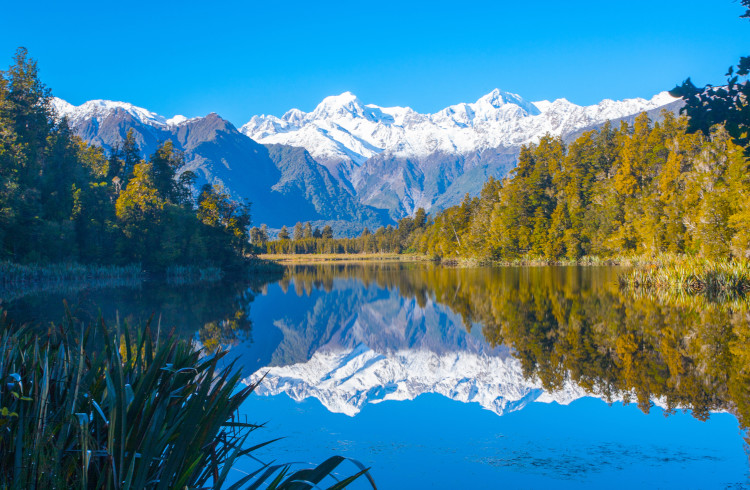
Reflection of mountains in the lake Matheson, New Zealand. Photo credit: Getty / Manachai
What’s covered?
Planning a trip to a laidback country has a way of rubbing off on you - you can feel impervious to the unruly. The truth is accidents, theft, and medical emergencies happen. Ease your mind before you go (or while traveling) with World Nomads travel insurance. With two levels of cover, Standard and Explorer, and depending on your Country of Residence, all our plans offer cover (up to the benefit limits) for:
Loss of baggage and personal effects
Medical emergencies
Unexpected trip cancelation
Trip interruption and delays
Issues arising from a wide variety of sports, activities, and experiences.
Consider your travel insurance needs and select the right plan for you. If you need to make a claim, extend your policy, or get a quote (even while traveling), we’re here to help.
Note:all travel insurance plans are different, and cover will vary, depending on what's happened, your Country of Residence, the plan you choose and any options or upgrades you buy.
What’s not covered
World Nomads is here to help, however travel insurance is not designed to cover everything, like if you decide you’d rather travel to Australia instead. With World Nomads, you can buy travel insurance when you book your trip from home or while you're already traveling around New Zealand. These are some circumstances where you won’t be covered:
Cancellation costs because you’ve changed your mind.
Participation in a sport or activity that is not listed in the policy wording (or agreed by World Nomads where you haven’t paid an additional premium)
Mishaps as a result of reckless behavior.
Costs arising from refusal to be repatriated once declared medically unfit to continue a trip but fit for repatriation.
Non-emergency treatment that can wait until you return home (it's not health insurance, it's travel insurance for medical emergencies).
Expenses you have not made every reasonable attempt to recover from the carrier, accommodation provider, booking or travel agents, any compensation scheme, or other source.
If you have any questions or are unsure if something is covered, contact us for more information.
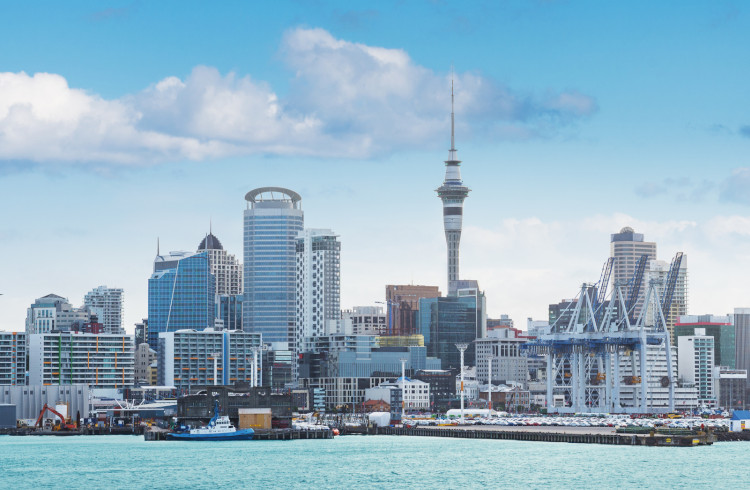
Auckland, New Zealand. Photo credit: Getty / levkr
Protect your gear from theft
Yes, Kiwis are a friendly bunch but that doesn’t mean theft and crime don’t exist. While not high, petty crime can be an issue.
Vehicle theft
Thieves are known to target vehicles. Never leave your valuables in your car or campervan, whether you’ve locked the doors or not, particularly in remote regions.
Never leave valuables unattended
Even in a safe country like New Zealand it’s important to always keep your valuables in sight. In cities, on public transport, and crowded areas be aware of your surroundings and never leave your valuables unattended - even for a minute.
Adventure sport
Adventure is all but New Zealand’s middle name. We cover a wide variety of sports and activities but before you strap on that bungy cord or slay the slopes in Queenstown, paddle down rushing rapids, or zorb down a grassy knoll, confirm which activities are covered as part of your travel insurance.
Hiking safety
New Zealand is one of the most spectacular hiking destinations in the world. From tramping The Milford Track to exploring Fox Glacier Valley, you’ll want to pack your walking shoes. No matter the trail it’s important to be prepared: always check the weather, hike with someone, and pack water and an emergency survival kit - because you never know what’s going to happen on the trail.
Access our 24/7 Emergency Assistance Team around the clock
When you have World Nomads travel insurance you have access to 24/7 Emergency Assistance Team. If something goes awry our team can help, whether that’s finding a local medical facility, assisting with consular details, or getting you home for the medical help you need via repatriation.
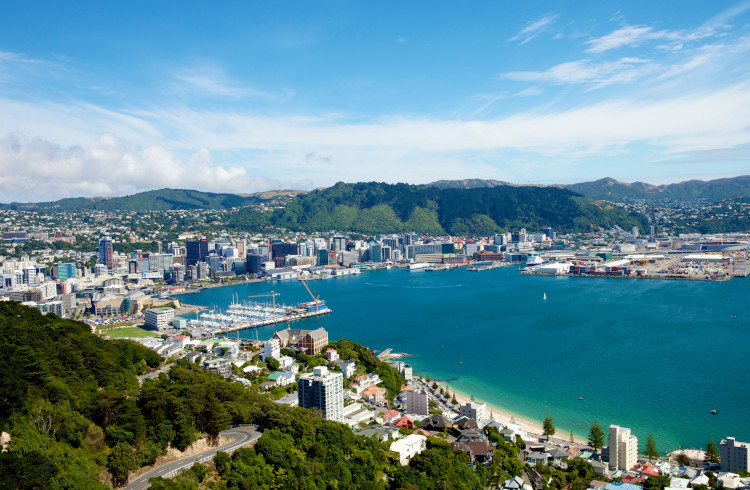
Wellington Harbour. Photo credit: Getty / Oliver Strewe
Travel insurance doesn't cover everything. All of the information we provide is a brief summary. It does not include all terms, conditions, limitations, exclusions and termination provisions of the plans described. Coverage may not be the same or available for residents of all countries, states or provinces. Please carefully read your policy wording for a full description of coverage.
About World Nomads
World Nomads polices are designed by travelers for travelers to provide simple and flexible travel insurance. Featuring coverage for more than 150 activities, you can get a quote, claim, or extend your policy online at www.worldnomads.com. All the information we provide about travel insurance is a brief summary only. It does not include all terms, conditions, limitations, exclusions and termination provisions of the travel insurance plans described. Coverage may not be available for residents of all countries, states or provinces. Please carefully read your policy wording for a full description of coverage.
Watch Anton's true claim story
I fell on my side and heard the sound of dry stick breaking, I realized my leg was broken, then I just lay on the beach... The first phone call I got was from World Nomads and they basically told me, you don't worry about this Anton, just focus on getting better...and we'll take care of the rest.
Anton, World Nomads customer from Iceland
Get a quote 24/7
With World Nomads you can buy travel insurance before you land in New Zealand, or while you're already traveling around. Fill out the quick quote form below and get an instant quote today.
Travel Insurance Benefits: how we can take care of you
Trip Cancellation
Been working hard for your trip?
We'll work hard to protect it.
Trip Protection
Unexpectedly hospitalised?
Travel buddy unfit to travel?
Close relative suddenly dies?
We’ve got your back.
Emergency Medical Expenses
Feeling fit and healthy? What if you get sick or injured?
Take the pain out of medical or dental costs.
Emergency Medical Insurance
Need meds quick?
Accidentally injured?
Suddenly sick?
We’ve got your back.
Emergency Medical Transportation
Know where the nearest hospital is?
Don’t stress, we’ll get you there quickly.
Evacuation and Repatriation
Banged up abroad?
Need a hospital urgently?
Medivac home?
Help starts here.
Protect your gear
Love photography, filming or sport?
Cover your bags, tech or gear.
Protect your gear
Passport or tech stolen?
Airline lost your gear?
Bags delayed?
Help starts here.
Emergency Overseas Medical & Dental Expenses
Emergency Medical Evacuation & Repatriation
Trip Cancellation or Interruption
24-Hour Assistance Services
Baggage
And more (depending on your country of residence)
*This is a general summary only. Restrictions, exclusions and limitations will apply. Coverage may not be available for all countries, states or provinces. Benefit limits may vary depending on the plan chosen. Get a quote for full details.
24/7 emergency assistance
Whether you need medical assistance or emergency evacuation, our teams are available 24 hours a day, 7 days a week, 365 days a year before and during your trip.
Are you in need of emergency assistance right now?
Here are our most frequently asked questions. You can also find the answers to other questions in our Helpdesk or you can ask the customer service team.
New Zealand reopened to travelers in late 2022. There are currently no restrictions or pre-departure Covid tests required. If you test positive to Covid-19 while there, you are still required to isolate for 7-days. Check your policy wording for full details on how we may be able to help if Covid impacts your travel plans. Make sure to check the countries entry requirements.
After reporting the loss to local authorities, we recommend you contact your nearest embassy or consular to advise them your passport has been lost or stolen. Depending on your Country of Residence we may be able to help. Contact us for details.
Ignoring the practicalities of traveling through a large, remote and often very hot and dry country has caught out many experienced travelers. Here are a few things to know about your travel insurance cover before you travel around Australia.
Protect your gear from theft
Australians are renowned for their welcoming attitude and it’s with good reason, however, while the majority are friendly to travelers, some are more interested in your wallet than getting to know you. Theft is a common claim in Australia. It takes just seconds for a thief to grab your camera or wallet from under your beach towel at Bondi while you’re swimming, or off the table while you’re ordering coffee. Always keep your valuables on you or locked up (using the hotel safe or hostel lockers). Also don’t leave anything in your car as break and enters are common in urban areas (especially at night). If your belongings aren’t with you, and there is no evidence or police report of a theft, you may not be covered if they’re stolen.
Travel insurance isn’t designed to cover everything, particularly if you leave something behind or, on some insurance plans, if your gear is damaged. Check your policy carefully for full details of cover, including the limit payable on each item, the excess (your contribution or deductible) and any exclusions or conditions of cover such as depreciation or valid proof of ownership.
Baggage delay
Australia’s remoteness is part of its charm but can also present some challenges if your baggage is delayed. Most visitors require a halfday plane ride to get to Australia, so you’re unlikely to get your baggage back quickly if your airline has delivered it to Sidney, Canada instead of Sydney, Australia. Most travel insurance policies can help replace essentials, like a change of clothes or toothbrush, if you have to wait more than 24 hours for your bags to arrive. Travel insurance isn’t designed to swap your ripped jeans for a designer pair, so read this section of your policy carefully before you spend up big and then try and claim.
Before you leave home, ensure your baggage is clearly labelled and the tags are firmly attached, giving your airline the best chance of getting it on the right plane or finding it quickly and getting it back to you.
Medical insurance for accidents or injuries
The Australian medical system is first class, but it comes with a price, so make sure you take out a full medical travel insurance plan before you travel. This is different to the medical insurance cover you might have at home which won’t cover you overseas. Medical Insurance is your safety net if you become very unwell; it’s not designed to pay for every scratch and headache, which is why benefit limits and excesses apply. If you’re hurt or injured, contact us for assistance and we can help you understand what your policy covers. You may decide, if your ailment is minor and under the excess, to not make a claim. If it’s a life-threatening medical condition, always seek medical help immediately. Let us know as soon as you can what has happened so we can help you access medical assistance and keep your family and friends informed.
Adventure sport coverage
There are many great opportunities to do adventure sports in Australia, which is why our travel insurance covers hundreds of them from kite surfing to skiing and parasailing. Policy exclusions do vary, so, depending on the level of cover you’ve purchased, read it carefully and make sure you’re covered before you go bungee jumping in Cairns or scuba diving in Byron Bay. If you get hurt skiing in the Victorian Alps, and it’s not in your policy, it’s going to be a very expensive trip. Check your policy carefully so there are no surprises Your travel insurance policy will have limits and exclusions. This ensures the policy you pay for is kept at a lower cost. And, remember, if you do something really stupid, like grab a snake by the head or go swimming with crocodiles, you may not be covered at all.
Travel Insurance Benefits: how we can take care of you
Trip Cancellation
Been working hard for your trip?
We'll work hard to protect it.
Trip Protection
Unexpectedly hospitalised?
Travel buddy unfit to travel?
Close relative suddenly dies?
We’ve got your back.
Emergency Medical Expenses
Feeling fit and healthy? What if you get sick or injured?
Take the pain out of medical or dental costs.
Emergency Medical Insurance
Need meds quick?
Accidentally injured?
Suddenly sick?
We’ve got your back.
Emergency Medical Transportation
Know where the nearest hospital is?
Don’t stress, we’ll get you there quickly.
Evacuation and Repatriation
Banged up abroad?
Need a hospital urgently?
Medivac home?
Help starts here.
Protect your gear
Love photography, filming or sport?
Cover your bags, tech or gear.
Protect your gear
Passport or tech stolen?
Airline lost your gear?
Bags delayed?
Help starts here.
Emergency Overseas Medical & Dental Expenses
Emergency Medical Evacuation & Repatriation
Trip Cancellation or Interruption
24-Hour Assistance Services
Baggage
And more (depending on your country of residence)
*This is a general summary only. Restrictions, exclusions and limitations will apply. Coverage may not be available for all countries, states or provinces. Benefit limits may vary depending on the plan chosen. Get a quote for full details.
24/7 emergency assistance
Whether you need medical assistance or emergency evacuation, our teams are available 24 hours a day, 7 days a week, 365 days a year before and during your trip.
Are you in need of emergency assistance right now?
You are viewing global travel insurance tips. For US residents: Learn how Vietnam, Cambodia and Laos are covered at World Nomads USA and get an instant travel insurance quote.
Southeast Asia is a traveler’s dream. From the wonders of Ha Long Bay in Vietnam to the ancient temples of Cambodia, and Buddha Park in Laos, there’s something for everyone. But before you head off to Vietnam, Cambodia or Laos, consider our travel tips so you can make the most of your holiday.
1. Traveler’s diarrhea
Diarrhea can take down even the most seasoned of travelers, so if a local dish leaves you feeling ill, our assistance team can help you find the nearest doctor with our overseas medical cover. With World Nomads travel insurance, you can make a claim for reimbursement for these medical expenses (less any excess, which may apply), even if you’re still traveling.
What is overseas medical cover?
Our overseas medical cover is designed for even the smallest medical emergency, and our Emergency Assistance team is here to support you 24/7, even if you’re held up in a squat toilet. If it’s really serious, they can arrange for an emergency evacuation to the nearest hospital, and guarantee payments if necessary, so you can focus on your recovery.
The danger with gastro is you can lose more fluids than you can keep down. Dehydration can be deadly, so even though you may have a trusty stash of Pepto-Bismol, don’t rely on your own instincts or Dr Google for medical advice.
2. Riding motorbikes and scooters
Motorbikes and scooters are common way to get around throughout Southeast Asia. We understand, it’s fun, can help you explore more of the country, and it’s easy to hire a bike. It’s also not surprising that accidents are common, and we see everything from exhaust pipe burns to injuries caused by horrific crashes, which can sometimes be fatal.
If you’re going to ride a bike anywhere in Vietnam, Cambodia or Laos, it’s essential that you know what your travel insurance covers, what it doesn’t cover, and how to get help if you need it. If you need help understanding your policy, contact us.
Motorbike and scooter travel essentials
Bring your driver’s license from home (paired with an international driver’s permit for the class of vehicle you’re intending to hire).
Check for the correct plan or adventure sport upgrade (if applicable) for World Nomads to cover you to ride a motorbike or scooter in the class you’re licensed to ride. See below under 'Choosing the Right Policy For You’.
Importantly, you must comply with local laws.
You must wear a helmet at all times.
Never ride under the influence of alcohol or drugs.
Choosing the right policy for you
We offer two plans – Standard and Explorer – each of which offers different levels of coverage. It is up to you to choose what plan has the right level of coverage to meet your travel needs and that matches your specific plans, especially if you plan on riding a scooter or motorbike.
If you’re not sure what’s covered, or have any questions about your policy, you can contact us.
Cover for more than 150 activities, sports and experiences
Theft is very common across Asia. It's a good idea to leave valuables at home, and, if you take out your camera, smartphone or money in public, be aware of your surroundings, and keep an eye out for passing motorcyclists, who are known to snatch valuables as they drive by.
All World Nomads travel insurance plans have some coverage for theft or if a carrier has lost your checked in luggage, depending on your Country of Residence and your chosen plan.
However, with any insurance plan, limits, conditions and exclusions may apply, for example, if you have simply misplaced your gear or if your tech gets damaged. Generally, you need to be able to show that you took reasonable care to look after your gear.
Tips for keeping your gear safe:
Before you travel to Vietnam, Cambodia or Laos, store a copy of your gear receipts or other proof of ownership, as you’ll need to provide this with any claim if your gear is stolen.
Contact your bank before departure to let them know how long you will be overseas in case of suspicious transactions, especially after you return home.
Always carry your electronics and valuables with you and lock your gear up in a secure location when you can’t take it with you.
Tips for making a baggage claim:
If general, you will need a police report, or some other kind of report from an authorized representative (e.g., a property irregularity report from the airline or bus company if your bags were checked in), to validate baggage/gear claims.
If your stuff is stolen, follow the steps in our handy guide to make a claim
If your passport is stolen, don’t panic – we can help
If the airline loses your bags, or they are delayed, you may be able to make a claim if you have the information outlined in this guide
Travel insurance doesn't cover everything. All the information we provide is a brief summary. It does not include all terms, conditions, limitations, exclusions and termination provisions of the plans described. Coverage may not be the same or available for residents of all countries, states or provinces. Please carefully read your policy wording for a full description of coverage.
Travel Insurance Benefits: how we can take care of you
Trip Cancellation
Been working hard for your trip?
We'll work hard to protect it.
Trip Protection
Unexpectedly hospitalised?
Travel buddy unfit to travel?
Close relative suddenly dies?
We’ve got your back.
Emergency Medical Expenses
Feeling fit and healthy? What if you get sick or injured?
Take the pain out of medical or dental costs.
Emergency Medical Insurance
Need meds quick?
Accidentally injured?
Suddenly sick?
We’ve got your back.
Emergency Medical Transportation
Know where the nearest hospital is?
Don’t stress, we’ll get you there quickly.
Evacuation and Repatriation
Banged up abroad?
Need a hospital urgently?
Medivac home?
Help starts here.
Protect your gear
Love photography, filming or sport?
Cover your bags, tech or gear.
Protect your gear
Passport or tech stolen?
Airline lost your gear?
Bags delayed?
Help starts here.
Emergency Overseas Medical & Dental Expenses
Emergency Medical Evacuation & Repatriation
Trip Cancellation or Interruption
24-Hour Assistance Services
Baggage
And more (depending on your country of residence)
*This is a general summary only. Restrictions, exclusions and limitations will apply. Coverage may not be available for all countries, states or provinces. Benefit limits may vary depending on the plan chosen. Get a quote for full details.
Real-claim story “I was walking along the pavement and I was robbed by men on a motorbike. The pillion passenger snatched the bag I was carrying. I was in shock and did not give chase as the motorbike was too fast. The street was not empty, with some pedestrians and food sellers. I made a police report at a local police station.”
Singapore resident in Vietnam
24/7 emergency assistance
Whether you need medical assistance or emergency evacuation, our teams are available 24 hours a day, 7 days a week, 365 days a year before and during your trip.
Are you in need of emergency assistance right now?
Ko Phi Phi Don, Krabi. Photo credit: Getty / Marco Bottielli
Surviving traveler's diarrhea
You're going to find a variety of delicious food while traveling in Thailand but food preparation standards can vary. Gastro and its unpleasant side effects are one of the more common medical complaints our World Nomads have while traveling through Thailand.
Fortunately, our Emergency Assistance team can support you 24/7, even if you’re held up in a squat toilet. We can help you find a doctor, particularly useful in Thailand’s remote areas, where access to medical care is harder to come by. Or if it’s really serious, the team can arrange for an emergency evacuation.
Hospitals in Thailand (especially if you’re near Bangkok or Phuket) are usually well-equipped to treat you even if they may seem less modern than facilities you’d find at home.
But let’s hope you don’t get there. Here are some simple actions that can help save you and your tummy:
Always wash your hands before and after eating or use a hand sanitizer… that little action can save you a lot of time and expense!
Never eat anything that's been sitting around, even for a short while. How long has that food in the hotel buffet really been sitting there?
Try to pick clean, fly-free food stalls that have a lot of people at them. A food stall that's popular will have a high turnover of produce, so nothing is left sitting around to go off.
Don't drink tap water in Thailand; stick to bottled, boiled or treated water. Most restaurants use ice from the extensive network of ice factories which use purified water. The safe ice is easy to spot… it’s tubular in shape.
Gastro can turn deadly quickly if you lose more fluids than you can keep down. Seek help early and carry rehydration sachets with you.
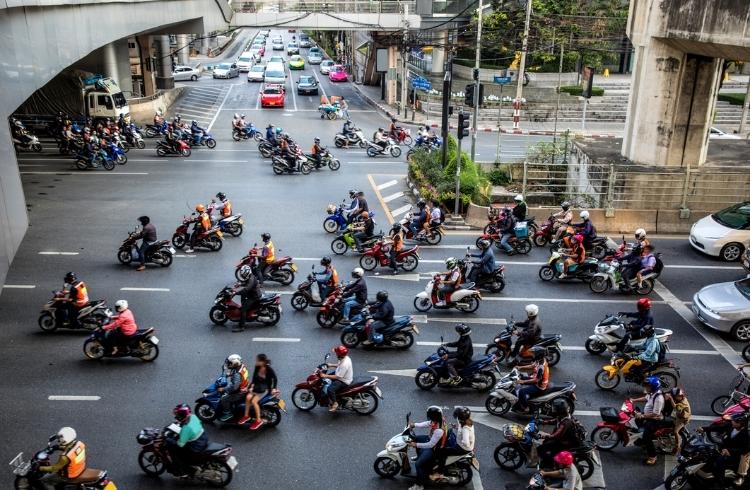
It’s easy to rent a motorcycle, so it’s not surprising that we see everything from exhaust pipe burns to injuries caused by horrific crashes, which can sometimes be fatal.
For your coverage to take effect, certain conditions apply:
You must bring your driver’s license from home.
You need to comply with local laws and safety practices (obey speed limits, don’t drive drunk).
Always wear a helmet.
If you choose to ride, be sure to buy a travel insurance plan that covers motorbike and scooter use. Read our article on covered sports, activities and adventures. In some cases, you may also have to buy an adventure sport upgrade for an additional premium.
World Nomads coverage for travelers hurt in motorcycle accidents may include:
Emergency medical expenses for treatment at the hospital or by a doctor at the local medical center
Evacuation to more suitable medical facility if it’s urgent, medically necessary and if you’re fit to travel
Repatriation if you’re seriously ill or injured and unable to continue your trip.
If you need medical treatment, evacuation or repatriation, you or a travel companion MUST contact our Emergency Assistance team immediately.
Limits, conditions and exclusions to coverage will apply so read your policy carefully for full details.
Motorbike traffic in Bangkok. Photo credit: Getty / Leo Patrizi
Theft in Thailand
Before you travel to Thailand, store a copy your receipts, as you’ll need proof of ownership to make claim should your items get stolen. Contact your bank before departure to let them know of your travel plans, and be on the lookout for any suspicious transactions, especially after you return home.
All World Nomads travel insurance plans will have some coverage for theft. However, with any insurance plan, limits, conditions and exclusions may apply. For example:
If you have simply spaced out and misplaced your gear or if your tech gets damaged from everyday wear and tear, this is not covered.
Generally, you need to be able to show that you took reasonable care of your belongings. That means you should carry your electronics and valuables with you at all times and lock your belongings up in a secure location, as can be described in your policy wording.
If your stuff is stolen, you’ll need a police report, or some other kind of report from an authorized representative (for example, a property irregularity report from the airline or bus company if your bags were checked in) to validate your claim.
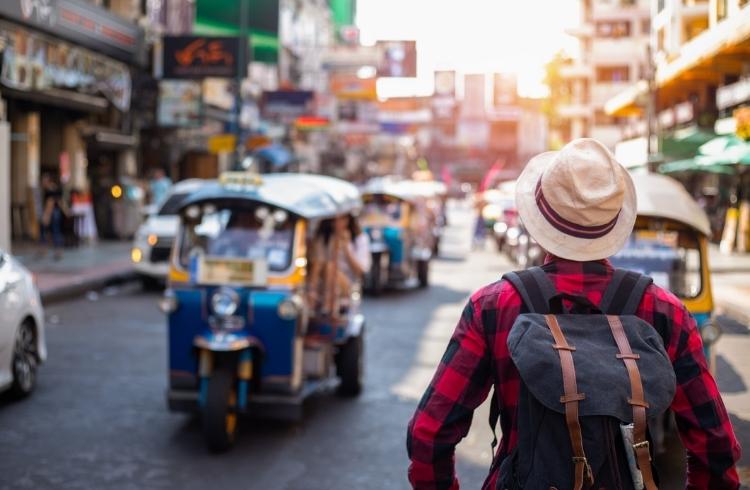
Backpacker in Bangkok, Thailand. Photo credit: Getty / Krisanapong Detraphiphat
Will an excess or deductible apply?
An excess or deductible is the amount you pay for covered expenses before insurance coverage kicks in. Whether or not you have an excess or deductible depends on your country of residence. Check your policy wording. If your claim adds up to less than the excess or deductible, then you don’t get paid out.
Travel Insurance Benefits: how we can take care of you
Trip Cancellation
Been working hard for your trip?
We'll work hard to protect it.
Trip Protection
Unexpectedly hospitalised?
Travel buddy unfit to travel?
Close relative suddenly dies?
We’ve got your back.
Emergency Medical Expenses
Feeling fit and healthy? What if you get sick or injured?
Take the pain out of medical or dental costs.
Emergency Medical Insurance
Need meds quick?
Accidentally injured?
Suddenly sick?
We’ve got your back.
Emergency Medical Transportation
Know where the nearest hospital is?
Don’t stress, we’ll get you there quickly.
Evacuation and Repatriation
Banged up abroad?
Need a hospital urgently?
Medivac home?
Help starts here.
Protect your gear
Love photography, filming or sport?
Cover your bags, tech or gear.
Protect your gear
Passport or tech stolen?
Airline lost your gear?
Bags delayed?
Help starts here.
Emergency Overseas Medical & Dental Expenses
Emergency Medical Evacuation & Repatriation
Trip Cancellation or Interruption
24-Hour Assistance Services
Baggage
And more (depending on your country of residence)
*This is a general summary only. Restrictions, exclusions and limitations will apply. Coverage may not be available for all countries, states or provinces. Benefit limits may vary depending on the plan chosen. Get a quote for full details.
24/7 emergency assistance
Whether you need medical assistance or emergency evacuation, our teams are available 24 hours a day, 7 days a week, 365 days a year before and during your trip.
Are you in need of emergency assistance right now?
There’s nothing more frustrating than waiting at the baggage carousel after your flight from Canada, only to find your luggage is missing. Whether your bag has been delayed in transit or sent to the wrong destination, taking the right steps quickly can make all the difference. Reporting delayed luggage, understanding what your airline will cover and keeping the right documentation will put you in a better position if you need to make a claim. Here’s what to do first if your luggage is held up.
1. Report it to your carrier
Once you realise your luggage is missing, report it immediately to the carrier – your airline or tour operator, for example. Get a written Property Irregularity Report (PIR) as confirmation of the delay. To qualify for benefits, the delay must be at least 12 hours.
2. Ask for compensation
Check with your carrier to see if you qualify for any compensation, such as the cost of basic personal items while you wait for your bags to turn up. Keep a copy of the exchange with your carrier that confirms or denies any coverage.
3. Keep your receipts
If you’re not compensated by the carrier, you may qualify for coverage should the delay be more than 12 hours – and if it doesn’t happen on your return flight home. Keep the original receipts for any personal items you purchase – such as a toothbrush, prescription medication or a change of clothes.
Before you go shopping for designer jeans or high-end sneakers, keep in mind that your plan has limits on what’s considered a reasonable expense. Read your plan carefully and contact us if you have any questions on what might be covered. (You wouldn’t believe some of the outrageous claims we’ve seen!)
4. Get a second report
Once you get your luggage, get written confirmation from the carrier confirming the length of the delay. As mentioned above, that period counts as at least 12 hours after the scheduled arrival time. You won’t qualify for any reimbursements for under that amount of time.
5. Prepare your claim
Read over your insurance plan to see what’s covered and to check if any terms, conditions or exclusions apply. With World Nomads, you can make a claim online and send in any supporting documentation afterwards.
This article is for general informational purposes only. It is not intended to provide medical, legal, insurance, or travel advice and provides only a general summary of certain features that may be available under applicable travel insurance policies. Coverage is subject to the specific terms, conditions, limitations, exclusions, and pre-existing condition provisions of the applicable insurance policy. In the event of any inconsistency between this article and the wording of any insurance policy, the policy wording shall govern and take precedence. It is important that you read and understand your policy before travelling. If you have questions about your coverage or are unsure how your policy applies to your circumstances, please contact us for clarification.
Travel Insurance Benefits: how we can take care of you
Trip Cancellation
Been working hard for your trip?
We'll work hard to protect it.
Trip Protection
Unexpectedly hospitalised?
Travel buddy unfit to travel?
Close relative suddenly dies?
We’ve got your back.
Emergency Medical Expenses
Feeling fit and healthy? What if you get sick or injured?
Take the pain out of medical or dental costs.
Emergency Medical Insurance
Need meds quick?
Accidentally injured?
Suddenly sick?
We’ve got your back.
Emergency Medical Transportation
Know where the nearest hospital is?
Don’t stress, we’ll get you there quickly.
Evacuation and Repatriation
Banged up abroad?
Need a hospital urgently?
Medivac home?
Help starts here.
Protect your gear
Love photography, filming or sport?
Cover your bags, tech or gear.
Protect your gear
Passport or tech stolen?
Airline lost your gear?
Bags delayed?
Help starts here.
Emergency Overseas Medical & Dental Expenses
Emergency Medical Evacuation & Repatriation
Trip Cancellation or Interruption
24-Hour Assistance Services
Baggage
And more (depending on your country of residence)
*This is a general summary only. Restrictions, exclusions and limitations will apply. Coverage may not be available for all countries, states or provinces. Benefit limits may vary depending on the plan chosen. Get a quote for full details.
If someone you care about gets sick or injured, we get it – you just want to go home. It’s times like these you’re thankful you have travel insurance. It may help with some of the associated costs of having to interrupt or cancel your trip – along with the support you need to make it happen. World Nomads has four plans – Standard, Explorer, Epic and Annual – each offering different coverages and benefit maximums. Whichever plan you purchased for your trip, follow these steps when you can’t travel and want to get home to Canada. They’ll help you avoid unnecessary costs, gather the right evidence, and keep your claim hassle free.
Rearrange or cancel your bookings
Learn about covered reasons for cancellations, interruptions and delays as it pertains to your World Nomads travel insurance plan. Then, contact us immediately and no later than the next business day. Once you know that you won’t be able to travel, call your travel provider to try to reschedule any accommodations, transportation or tours that you’ve already paid for — and as a last resort, cancel.
Get it in writing
If you’re planning to make a claim, you’ll need to submit doctor or medical practitioners’ reports confirming illnesses or injuries, along with any ambulance reports, hospital admission reports and other relevant medical documentation.
Keep your receipts
You’ll need to keep your receipts, itineraries and booking and cancellation confirmations, including details of any refunds received for any affected transport and accommodation.
This article is for general informational purposes only. It is not intended to provide medical, legal, insurance, or travel advice and provides only a general summary of certain features that may be available under applicable travel insurance policies. Coverage is subject to the specific terms, conditions, limitations, exclusions, and pre-existing condition provisions of the applicable insurance policy. In the event of any inconsistency between this article and the wording of any insurance policy, the policy wording shall govern and take precedence.It is important that you read and understand your policy before travelling. If you have questions about your coverage or are unsure how your policy applies to your circumstances, please contact us for clarification.
Travel Insurance Benefits: how we can take care of you
Trip Cancellation
Been working hard for your trip?
We'll work hard to protect it.
Trip Protection
Unexpectedly hospitalised?
Travel buddy unfit to travel?
Close relative suddenly dies?
We’ve got your back.
Emergency Medical Expenses
Feeling fit and healthy? What if you get sick or injured?
Take the pain out of medical or dental costs.
Emergency Medical Insurance
Need meds quick?
Accidentally injured?
Suddenly sick?
We’ve got your back.
Emergency Medical Transportation
Know where the nearest hospital is?
Don’t stress, we’ll get you there quickly.
Evacuation and Repatriation
Banged up abroad?
Need a hospital urgently?
Medivac home?
Help starts here.
Protect your gear
Love photography, filming or sport?
Cover your bags, tech or gear.
Protect your gear
Passport or tech stolen?
Airline lost your gear?
Bags delayed?
Help starts here.
Emergency Overseas Medical & Dental Expenses
Emergency Medical Evacuation & Repatriation
Trip Cancellation or Interruption
24-Hour Assistance Services
Baggage
And more (depending on your country of residence)
*This is a general summary only. Restrictions, exclusions and limitations will apply. Coverage may not be available for all countries, states or provinces. Benefit limits may vary depending on the plan chosen. Get a quote for full details.
How we helped when this nomad got injured while skiing in the USA
I should have called it quits for the day and headed into a bar for a warming Schnapps. Instead, I decided to take the last ski run down the mountain. As I was flying down the slopes, my left ski collided with my right, blowing out my left knee and causing me to tumble down the mountain. When eventually I came to a stop, I couldn't move. Thankfully, a passing skier called the ski patrol team and they came to my rescue within minutes.
How World Nomads helped...
Emergency hospital care and treatment. (Medical costs totalled $2518.32, but policy had a $100 excess.)
CLAIM PAID AUD $2418.32
Need to make a claim?
This World Nomad’s claim may be different, even if the same thing happened to you. Your travel insurance policy explains what’s covered, what’s not covered and if any conditions or limits apply. Ask us if you have questions about coverage or need help to make a claim.
AerobicsAir guitarBackpacking up to 4,500 metres BalletBowling Bushcraft up to 4,500 metres Bushwalking up to 4,500 metres Camel riding or trekking overnightCamping up to 4,500 metresCaving / spelunking - sightseeing Cycling / mountain biking (up to 6,000 metres)Dance Dirt boardingDogsledding Dune buggy Fell running / fell walking up to 4,500 metres Fitness trainingGo karting Hiking up to 4,500 metres Hunting (except big game)In-line skatingKite flyingMoped riding / scooter biking Motor biking - as a pillion passengerOrienteeringOutdoor endurance Outward bound Paint balling Quad biking Rock climbing - boulderingSafari tours Sandboarding / sand skiingSegway toursSkateboarding - ramp / half pipe / skate park / streetSnookerStilt walkingTheme parks / fairgroundsTramping up to 4,500 metres Tuk Tuk - as a passengerWar games - online gamingWar games / military simulation
Optional extras
Backpacking up to 6,000 metresBushcraft up to 6,000 metresBushwalking up to 6,000 metresCamping up to 6,000 metresCanyoningCycling / biking - independent cycle touringFell running / fell walking up to 6,000 metresHiking up to 6,000 metresKite buggyKite wing Land surfingRock climbing (indoor / outdoor)Trekking up to 6,000 metres
American football - gridiron Australian Rules Football (AFL)AthleticsBadmintonBaseballBasketballCheerleadingClay pigeon shootingCricketCroquetDartsDodge ballFencing FloorballFootball FrisbeeGolfGym trainingGymnastics / acrobaticsHandballHockeyHorse riding - leisure/social/non-competitive riding KorfballLacrosseMartial arts training - non-contactNetballRacquetballRambling - up to 4,500 metresRifle range / sports shooting Roller hockeyRoller skating Rollerblading RoundersRunning/ jogging (marathon distance or less)SoccerSoftballSquash / racquet ballStoolballTable tennisTchoukballTennisTrampoliningUltimate frisbeeVolleyballWake skatingWakeboarding Weight training Yoga - in class, alone / home practice
Optional extras
Bicycle poloBoxingMarital arts (training)Rugby - league / unionVia ferrataYoga (teaching)
Working - any professional, clerical or administrative work.Working - as a classroom teacher or classroom assistantWorking - au pair, nanny or child minderWorking - retail, bar or hospitality work involving light duties only
Optional extras
Working - general work and manual work not involving the use of mechanical or industrial machinery; at a height not exceeding 2 metres above ground level
Activities shown as "Included for all" are automatically included in both the Standard and Explorer plans.
All sports listed as "Optional extras" will need to be added to your policy at the time of purchase.
The list is intended as a guide only and there may be conditions or exclusions to cover.
For details, read this helpdesk article,
the Policy Wording or contact us.
24/7 emergency assistance
Whether you need medical assistance or emergency evacuation, our teams are available 24 hours a day, 7 days a week, 365 days a year before and during your trip.
Are you in need of emergency assistance right now?
How we helped when this nomad got their ribs fractured in the USA
I was out mountain biking in the elements… when a tree got in my way. On impact, the handle bars of my bike twisted, bluntly jutting into my ribs before I went flying. I was in a lot of pain but there was no external bruising. I figured that even if I had broken a rib, there was nothing much anyone could do, so I didn’t seek medical attention. Two weeks later, though, I was still in just as much pain as when the accident had happened — and my internal organs felt painful, too. When I started having muscle spasms near my ribs I started to worry that something might be wrong, so I went to a nearby hospital. After initial concern that I had damaged my spleen, I was told I had multiple fractures in my ribs.
Canadian in the USA
How World Nomads helped
Hospital medical care including CAT scan and chest X-ray.
PAID USD $5,236
Need to make a claim?
This World Nomad’s claim may be different, even if the same thing happened to you. Your travel insurance policy explains what’s covered, what’s not covered and if any conditions or limits apply. Ask us if you have questions about coverage or need help to make a claim.
AerobicsAir guitarBackpacking up to 4,500 metres BalletBowling Bushcraft up to 4,500 metres Bushwalking up to 4,500 metres Camel riding or trekking overnightCamping up to 4,500 metresCaving / spelunking - sightseeing Cycling / mountain biking (up to 6,000 metres)Dance Dirt boardingDogsledding Dune buggy Fell running / fell walking up to 4,500 metres Fitness trainingGo karting Hiking up to 4,500 metres Hunting (except big game)In-line skatingKite flyingMoped riding / scooter biking Motor biking - as a pillion passengerOrienteeringOutdoor endurance Outward bound Paint balling Quad biking Rock climbing - boulderingSafari tours Sandboarding / sand skiingSegway toursSkateboarding - ramp / half pipe / skate park / streetSnookerStilt walkingTheme parks / fairgroundsTramping up to 4,500 metres Tuk Tuk - as a passengerWar games - online gamingWar games / military simulation
Optional extras
Backpacking up to 6,000 metresBushcraft up to 6,000 metresBushwalking up to 6,000 metresCamping up to 6,000 metresCanyoningCycling / biking - independent cycle touringFell running / fell walking up to 6,000 metresHiking up to 6,000 metresKite buggyKite wing Land surfingRock climbing (indoor / outdoor)Trekking up to 6,000 metres
American football - gridiron Australian Rules Football (AFL)AthleticsBadmintonBaseballBasketballCheerleadingClay pigeon shootingCricketCroquetDartsDodge ballFencing FloorballFootball FrisbeeGolfGym trainingGymnastics / acrobaticsHandballHockeyHorse riding - leisure/social/non-competitive riding KorfballLacrosseMartial arts training - non-contactNetballRacquetballRambling - up to 4,500 metresRifle range / sports shooting Roller hockeyRoller skating Rollerblading RoundersRunning/ jogging (marathon distance or less)SoccerSoftballSquash / racquet ballStoolballTable tennisTchoukballTennisTrampoliningUltimate frisbeeVolleyballWake skatingWakeboarding Weight training Yoga - in class, alone / home practice
Optional extras
Bicycle poloBoxingMarital arts (training)Rugby - league / unionVia ferrataYoga (teaching)
Working - any professional, clerical or administrative work.Working - as a classroom teacher or classroom assistantWorking - au pair, nanny or child minderWorking - retail, bar or hospitality work involving light duties only
Optional extras
Working - general work and manual work not involving the use of mechanical or industrial machinery; at a height not exceeding 2 metres above ground level
Activities shown as "Included for all" are automatically included in both the Standard and Explorer plans.
All sports listed as "Optional extras" will need to be added to your policy at the time of purchase.
The list is intended as a guide only and there may be conditions or exclusions to cover.
For details, read this helpdesk article,
the Policy Wording or contact us.
24/7 emergency assistance
Whether you need medical assistance or emergency evacuation, our teams are available 24 hours a day, 7 days a week, 365 days a year before and during your trip.
Are you in need of emergency assistance right now?