Bungee Jumping Travel Insurance Coverage
Learn how US Residents can bungee jump with confidence with travel insurance
- As featured in:
As featured in:
At a glance:
- All World Nomads plans cover losses resulting from bungee jumping trips, with some plans that offer higher limits of coverage.
- Emergency Medical Coverage may assist with medical costs and transport if you're seriously hurt while bungee jumping.
- Our travel protection plans include transportation if your condition is severe, acute, or life-threatening and adequate treatment is not available in your immediate area. Additional terms apply.
- An optional Cancel for Any Reason upgrade is available on some plans (additional cost and state restrictions may apply.)
- Why should I consider travel insurance for my bungee jumping trip?
- Travel insurance and non-insurance services for bungee jumping trips: What may be covered?
- What level of travel insurance coverage do I need for my bungee jumping trip?
- What may not be covered when on your bungee jumping trip?
- Top safety tips we recommend for your bungee jumping
- FAQs
Maybe you’re taking the leap in New Zealand, the birthplace of commercial bungee jumping, or perhaps you want to be surrounded by the scenery of Costa Rica’s lush foliage when you make your first jump. Either way, it helps to always be prepared for the unexpected. If you’re planning an epic trip that includes bungee jumping, you may want to protect yourself with a travel protection plan that includes a range of travel insurance benefits and non-insurance services for bungee jumping. It may help with everything from stolen gear to unexpected medical expenses.
Why should I consider travel insurance for my bungee jumping trip?
Unexpected issues can mess up even the most carefully planned bungee jumping trips. An unexpected hurricane can put a halt to your jump, but adventure travel insurance and non-insurance services designed for bungee jumping may help you bounce back quickly with support for emergencies, delays, and disruptions. With coverage that is flexible to your needs, it’s a way to travel confidently when you’re bungee jumping on a trip.
Travel insurance and non-insurance services for bungee jumping trips: What may be covered?
Bungee jumping can test you both physically and mentally – and as adrenaline-seekers ourselves, that’s part of what we love. Since unexpected situations can happen when bungee jumping though, we’ve designed coverage for losses resulting from bungee jumping while traveling. We also offer coverage for losses related to more than 250+ other sports, activities and experiences.
-
Emergency Medical Expenses
For injuries that happen when on your bungee jumping trip -
24/7 Non-insurance Emergency Assistance
Available 24/7 to assist in an emergency situation -
Baggage & Gear Coverage
Damaged or stolen gear or luggage that is lost -
Trip Delays, Interruptions & Cancellations
A money-saver if inclement weather keeps you from bungee jumping
Get a quote and compare the plans to see which level of coverage is right for you.
Terms, conditions, and limitations apply to all mentioned coverages.
All plans include adventure travel insurance coverage for bungee jumping, as well as several additional non-insurance services that may support you both before and during your trip. These include delayed or lost baggage tracking and delivery, portable health records and pre-departure telehealth services.
What level of travel insurance coverage do I need for my bungee jumping trip?
World Nomads offers four plans for U.S. residents – Standard, Explorer, Epic and Annual – each with different levels of coverage. Even when your main goal is to go bungee jumping, you may want to do other fun things when traveling too, like rock climbing or zip lining. That’s totally fine, because you may be covered for more than 250+ other sports, activities and experiences when you purchase a travel protection plan that includes extreme sports travel insurance coverage and non-insurance services.
- Standard Plan – This is the most basic plan, but includes travel insurance coverage for incidents while bungee jumping. It includes up to $125,000 in emergency medical expenses and up to $2,500 for trip cancellation.
- Explorer Plan – This plan also includes bungee jumping, plus even more activities – including skydiving. It also has higher limits of coverage for most benefits.
- Epic Plan – This covers everything the Explorer plan covers, plus even more activities – including free soloing and cliff diving. It also has the highest benefit limits of coverage.
- Annual Plan – If you’re planning multiple trips throughout the year, this plan may be for you. Just buy once and stay protected all year. It includes adventure travel insurance coverage for bungee jumping, as well as all of the other activities covered in the Standard Plan.
NOMADS TIP: For even more trip cancellation flexibility, check out the optional ‘Cancel for Any Reason’ benefit. It can be added to Explorer and Epic plans. Available at an additional cost for U.S. residents, except in New York.
Get a travel insurance quote
Simple and flexible travel insurance. Buy at home or while traveling, and claim online from anywhere in the world.
Get a quote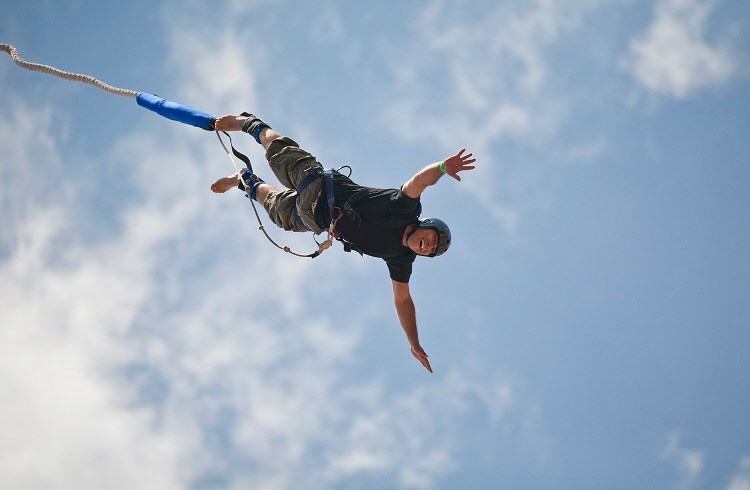
What may not be covered when on your bungee jumping trip?
If you decide to throw back a couple of drinks to calm your nerves before your big jump – and then get hurt – you may not be covered. Your travel insurance coverage may not cover you if you get hurt when you’re under the influence of drugs or alcohol. Some other things that aren’t covered include:
- Unattended baggage, gear or personal items
- Not following ‘Do Not Travel’ warnings issued by the US government prior to departure
- Participation in activities not listed in our 250+ sports, activities and experiences.
- Ignoring your doctor if they have advised in writing that you are not medically fit to travel
- Traveling or bungee jumping within 100 miles of your home
Top safety tips we recommend for your bungee jumping
- Choose a reputable company. Take a look at their certifications, safety record and reviews.
- Listen carefully to all instructions provided by your jump master.
- Don’t try to show off. When you jump, don’t try to do flips or anything else that hasn’t been approved by the staff.
- Take advantage of the pre-departure medical consultation included in your non-insurance services and see if there are any vaccinations or prescription medications, like altitude sickness pills, recommended for your destination. Depending on the medication, you may need to start it prior to your trip.
- Tell your jump master if you have any health concerns. Things like high blood pressure, heart conditions, dizziness, epilepsy, eye injuries, asthma, and neck, back, or spinal problems can make bungee jumping more risky.
- Don’t drink and jump. Being under the influence of alcohol or drugs increases your chance of being injured.
- Wear the right clothes. Comfortable clothing is recommended, but don’t wear anything loose.
- If you have long hair, tie it back to keep it from getting tangled in equipment.
- Check with the S. Department of State to see if they have issued any travel advisories for your destination.
- Enroll in the free Smart Traveler Enrollment Program (STEP) to stay updated on emergency situations.
- Have a copy of your plan documents saved in your phone. Save the phone number for the 24/7 Non-insurance Emergency Assistance team and have that easily accessible as well.
FAQ
Here are our most frequently asked questions about cover for bungee jumping. You can also find the answers to other questions in our Helpdesk or you can ask our customer service team
-
Is bungee jumping covered under World Nomads Travel Insurance?
Yes, bungee jumping may be covered under all four plans offered by World Nomads Travel Insurance. If you want higher limits of coverage, you’ll want to consider the Explorer or Epic plan.
-
What types of incidents may be covered while on your bungee jumping trip?
If your trip is canceled or interrupted due to an unforeseen event, you may be able to recover your travel expenses (up to the maximum benefit amount), and this may include unused, pre-paid, non-refundable tours that you paid for in advance. If you get hurt when bungee jumping and require medical assistance, emergency medical coverage may come in handy in the case of an unexpected injury. You may also be covered for unplanned situations such as lost bags.
-
Can I purchase a plan after my trip starts?
Yes. If your trip has already started, World Nomads can still offer you coverage. You can buy a plan that includes adventure travel insurance coverage for bungee jumping online anytime, from anywhere in the world. World Nomads Travel Insurance for U.S. residents takes effect at 12:01 a.m. local time the day after you purchase your plan. If you’re already traveling and want to get coverage for bungee jumping trip, you’ll need to buy your plan at least the day before you need coverage.
-
Does World Nomads Travel Insurance offer coverage for bungee jumping overseas?
Yes, some of the best bungee jumping spots are outside of the US and World Nomads doesn’t want to limit your fun. For example, if you have travel insurance for your trip to China, you could have the opportunity to bungee jump at Macau Tower. When you get a quote for a travel protection plan that includes extreme sports travel insurance coverage, you’ll need to input where you’ll be traveling.
-
What should I do if I get hurt while bungee jumping?
If you get hurt while bungee jumping, contact local authorities as soon as you’re able to do so for immediate attention. World Nomads Travel Insurance may help reimburse the cost of medical treatment, hospital stays, or even emergency medical evacuation if needed (subject to approval.) Access to a 24/7 Non-Insurance Emergency Assistance team is also included for support anytime, anywhere when you purchase a travel protection plan that includes travel insurance coverage for extreme sports.
-
Does World Nomads cover other activities during my trip?
Yes, when you purchase travel insurance and non-insurance services for bungee jumping, you could be covered for more than 250+ other sports, activities and experiences. Things like swimming, hiking and camping may all be covered. You can review the list of activities, but if you’re participating in an activity and not sure if it’s covered, you can contact us and ask.
-
Do I get my money back if I cancel a trip?
Trip cancellation coverage is offered by all plans offered by World Nomads, and you may be reimbursed for pre-paid, unused, non-refundable expenses like flights, tours and accommodations if your trip is cancelled for a covered reason. U.S. residents (except those that live in New York) also have the ability to add additional cancel for any reason coverage when certain World Nomads plans are purchased.
-
What happens if my bags are delayed?
When you purchase travel insurance for extreme sports trips, baggage coverage is also included. If your checked-in bags are delayed more than 12 consecutive hours on the way to your destination, your plan may reimburse you for reasonable essential items like toiletries and a change of clothes until you and your bag are reunited. Your coverage also includes non-insurance service that can help track down your bag and get it delivered to you.
Need destination inspiration for your next bungee jumping trip?
Ready to jump, but not sure where to go? There are plenty of great spots around the world to experience bungee jumping. Check out a couple of our favorite locations and get destination-specific travel insurance tips to help you plan with confidence.
New Zealand: Auckland
Africa: Victoria Falls
China: Macau Tower
20250929-4853600. This is not a full list of what is and isn’t covered, so please check your plan document for a full list of maximums, terms, conditions, limitations and exclusions that may apply to your state specific plan. Any example scenarios provided above are not a guarantee of coverage. All claims are subject to review, require documentation and are considered individually. Exclusion applies to Adventure or Extreme Activities.Travel Insurance Benefits: how we can take care of you
Trip Cancellation
Been working hard for your trip?
We'll work hard to protect it.
Trip Protection
- Work emergency?
- Weather delay?
- Travel companion sick?
We’ve got your back.
Emergency Medical Expenses
Feeling fit and healthy? What if you get sick or injured?
Take the pain out of medical or dental costs.
Emergency Medical Insurance
- Accidentally injured?
- Suddenly sick?
- Need a hospital?
We’ve got your back.
Emergency Medical Transportation
Know where the nearest hospital is?
Don’t stress, we’ll get you there quickly.
Evacuation and Repatriation
- Ambulance transfers
- Medevac flights
- Medical escort services
Help starts here.
Protect your gear
Love photography, filming or sport?
Cover your bags, tech or gear.
Protect your gear
- Stolen I.D.s
- Checked-in sports equipment
- Damaged luggage
Help starts here.
- Emergency Overseas Medical & Dental Expenses
- Emergency Medical Evacuation & Repatriation
- Trip Cancellation or Interruption
- 24-Hour Assistance Services
- Baggage
- And more (depending on your country of residence)
24/7 emergency assistance
Whether you need medical assistance or emergency evacuation, our teams are available 24 hours a day, 7 days a week, 365 days a year before and during your trip.
Are you in need of emergency assistance right now?
Contact the teamTravel Insurance Coverage for Mountain Biking Adventures
US Residents can ride prepared wherever the mountain biking trail leads
- As featured in:
As featured in:
Article at a glance:
- Mountain biking travel insurance coverage may help cover emergency medical expenses, trip delays, and stolen or damaged gear while riding trails around the world.
- Coverage includes off-road mountain biking, BMX, snow biking—plus 250+ other adventure sports.
- Emergency medical expenses, 24/7 non-insurance emergency assistance, and baggage protection are included in all World Nomads plans.
- Choose from Standard, Explorer, Epic, or Annual plans to match your biking trip style, budget, and activities.
- Stay safe with pre-trip health support, proper equipment checks, and licensed guides to help ensure your ride—and your insurance—goes smoothly.
- Why should you consider travel insurance coverage for your mountain biking adventure
- What types of mountain biking adventures can be covered by World Nomads Travel Insurance?
- Mountain biking travel insurance benefits
- Plan levels for mountain biking trips
- What's not covered?
- Top safety tips we recommend for your mountain biking adventure
- Frequently asked questions
Why should you consider travel insurance coverage for your mountain biking adventure
Mountain biking adventures are thrilling—but they can come with unexpected bumps and twists. That’s why World Nomads includes mountain biking in our list of 250+ covered adventure sports for US residents. If your biking trip leads to an injury or other emergency, our travel insurance coverage for mountain biking may help with medical expenses, evacuations, and trip interruptions. Some plans even let you add optional cancel for any reason coverage. Whether you're biking through the jungle in Costa Rica or exploring remote trails in Asia, the right coverage gives you peace of mind to ride hard, knowing you’re protected if the unexpected happens.
What types of biking adventures can be covered by World Nomads Travel Insurance?
World Nomads offers benefits for losses relating to:
- On and off-road mountain biking
- BMX
- Snow biking (yes, that’s a thing!)
- Unicycling is also covered!
Mountain biking travel insurance benefits and non-insurance services: What may be covered?
-
Emergency Medical Expenses
For broken bones, cuts, and sprains after an epic crash on the trail. -
Non-insurance Emergency Assistance
Available 24/7 to assist in an emergency situation -
Baggage & Gear Coverage
Damaged or stolen biking gear -
Trip Cancellation
A money-saver if inclement weather throws a wrench into your plans
Get a quote and compare the plans to see which level of coverage is right for you.
At World Nomads, we know your mountain biking trip is about more than just the ride down the trail. That’s why our travel insurance and non-insurance services for mountain bikers also cover 250+ other adventure sports and experiences—from alpine hikes and rock climbing to zip-lining and white-water rafting. Whether you’re navigating rugged backcountry or adding extra thrills to your itinerary, we offer four travel insurance plans with different levels of insurance coverage to match your trip style, budget, and appetite for adventure. Be sure to check out our (lengthy!) list of covered activities to pick the plan that fits everything you’re planning to do.
*All coverage is subject to plan terms and conditions. Be sure you read and understand your plan documents. Any questions, just ask!
What level of travel insurance coverage do I need for my mountain bike trip?
- Standard Plan – Best suited for backpackers, budget travelers and families. Includes up to $125,000 in emergency medical expenses and $2500 for trip cancellation. This is our most basic plan, but it packs a punch.
- Explorer Plan – For those trips you’ll be talking about for years to come! Covers over 300 activities and offers the optional ‘Cancel for Any Reason’ (CFAR) benefit for ultimate flexibility.
- Epic Plan – Checking that big trip off your bucket list? We’re talking safaris, cruises, luxury resorts… you name it! This plan offers our highest level of coverage for trips that are truly once in a lifetime.
- Annual Plan – Weekend warriors, digital nomads, world explorers… this plan is for you. Just buy once and stay protected all year.
You can compare plans and coverage limits when you get a quote. Optional benefits come at an additional cost; CFAR not available in NY.
Get a travel insurance quote
Simple and flexible travel insurance. Buy at home or while traveling, and claim online from anywhere in the world.
Get a quote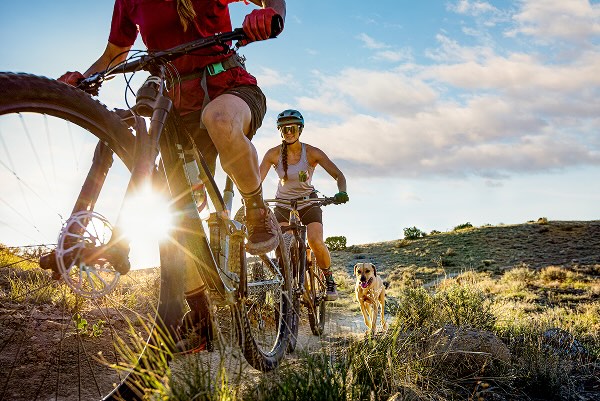
What may not be covered when mountain biking?
While we can offer coverage for many losses relating to mountain biking, there are some things that may not be covered. These include, but are not limited to:
- Participating in any activity or sport as a professional athlete.
- Bicycles and other sporting equipment that are damaged while in use due to wear and tear.
- Search-and-rescue missions.
- Unattended baggage, sporting equipment or personal items.
- Biking while under the influence of alcohol or drugs.
Top safety tips we recommend for your mountain biking adventure
- Get bike fit: Mountain biking requires a certain amount of strength and stamina, and in some cases, the ability to handle altitude. Be sure you are physically capable of it. Consider using our non-insurance service telehealth partner for pre-trip medical support to get travel medicines, like altitude sickness pills or malaria medication, delivered to your door before you leave on your trip. Make sure your bike is set up correctly before you ride check the saddle, pedals, handlebars, brakes, and tire pressure.
- Put your safety first: only go riding with professional, qualified, licensed, and reputable operators. If you don't, your coverage may be void. If something doesn't feel right, then don't go.
- Keep your body loose and springy. Be prepared to stand up on the bike; doing this moves you with the bike and can help you avoid injury and accidents.
FAQ
Here are our most frequently asked questions about cover for hiking. You can also find the answers to other questions in our Helpdesk or you can ask our customer service team
-
What is mountain biking travel insurance coverage, and why do I need it?
Mountain biking travel insurance coverage helps cover unexpected events like injuries, medical emergencies, trip interruptions, or stolen gear during your biking adventure. Whether you're riding downhill trails or exploring remote backroads, having coverage can give you peace of mind when the unexpected happens.
-
Does travel insurance cover off-road mountain biking and BMX riding?
Yes, World Nomads Travel Insurance plans may offer coverage for a wide range of biking styles, including off-road mountain biking, BMX, and even snow biking and unicycling. Be sure to check this list to confirm that your specific activity is included.
-
What travel insurance benefits are included for mountain biking trips?
Coverage may include emergency medical expenses, baggage and gear protection, trip delays, cancellations, and 24/7 non-insurance emergency assistance. This means if you crash on the trail, miss a flight, or your bike gear is stolen, you may be covered depending on your plan.
-
What happens if I get injured while mountain biking abroad?
If you're hurt while biking overseas, World Nomads travel insurance may help cover the cost of medical treatment, hospital stays, or even emergency evacuation if needed (subject to approval). Access to a 24/7 non-insurance Emergency Assistance team is also included for support anytime, anywhere.
-
Can travel insurance cover stolen or damaged biking gear?
Yes—many World Nomads plans offer baggage and personal effects protection, which can help reimburse the cost of stolen or damaged biking gear, such as helmets, pedals, or tools. Just make sure the gear was not in use at the time of damage and that you have supporting documentation.
-
What types of travel protection plans are available for mountain bikers?
World Nomads offers four plans tailored to your adventure style and budget:
- Standard Plan – Great for budget-conscious riders.
- Explorer Plan – Includes more extreme activities with CFAR (Cancel For Any Reason) as an optional addition. Not available to residents of NY and available at an additional cost.
- Epic Plan – Best for once-in-a-lifetime trips with high maximum amounts.
- Annual Plan – Ideal for frequent travelers or digital nomads.
-
What are some exclusions in travel insurance for mountain biking trips?
Travel insurance may not cover:
- Professional competition biking
- Damage to gear in use or from wear and tear
- Incidents involving drugs or alcohol
- Unattended gear or personal items
Always read your plan details to understand what’s not included and excluded.
-
Does the travel insurance coverage have altitude limits for mountain biking?
Yes, some travel protection plans have elevation limits for covered activities. If you're planning to bike at high altitudes (like in the Andes or Himalayas), select the right plan that includes higher-altitude rides, if needed. If you need help picking the right one, give our customer service team a call.
Need destination inspiration for your next mountain biking adventure?
Check out our handy guides and insider travel tips on the best places to go mountain biking:
- The best mountain biking tracks around Nepal
- A guide to mountain biking in New Zealand
- 4 of the best places for mountain biking in the US
This is not a full list of what is and isn’t covered, so please check your plan document for a full list of maximums, terms, conditions, limitations and exclusions that may apply to your state specific plan. Any example scenarios provided above are not a guarantee of coverage. All claims are subject to review, require documentation and are considered individually. Exclusion applies to Adventure or Extreme Activities.
Travel Insurance Benefits: how we can take care of you
Trip Cancellation
Been working hard for your trip?
We'll work hard to protect it.
Trip Protection
- Unexpectedly hospitalised?
- Travel buddy unfit to travel?
- Close relative suddenly dies?
We’ve got your back.
Emergency Medical Expenses
Feeling fit and healthy? What if you get sick or injured?
Take the pain out of medical or dental costs.
Emergency Medical Insurance
- Need meds quick?
- Accidentally injured?
- Suddenly sick?
We’ve got your back.
Emergency Medical Transportation
Know where the nearest hospital is?
Don’t stress, we’ll get you there quickly.
Evacuation and Repatriation
- Banged up abroad?
- Need a hospital urgently?
- Medivac home?
Help starts here.
Protect your gear
Love photography, filming or sport?
Cover your bags, tech or gear.
Protect your gear
- Passport or tech stolen?
- Airline lost your gear?
- Bags delayed?
Help starts here.
- Emergency Overseas Medical & Dental Expenses
- Emergency Medical Evacuation & Repatriation
- Trip Cancellation or Interruption
- 24-Hour Assistance Services
- Baggage
- And more (depending on your country of residence)
24/7 emergency assistance
Whether you need medical assistance or emergency evacuation, our teams are available 24 hours a day, 7 days a week, 365 days a year before and during your trip.
Are you in need of emergency assistance right now?
Contact the teamTravel Insurance for New Zealand
Travel advice for Americans visiting New Zealand
- As featured in:
As featured in:
At a glance
- World Nomads offers four travel protection plans for your trip to New Zealand. Plans range from standard to higher-limit protections.
- Coverage may apply to popular New Zealand activities like skiing, hiking and bungee jumping.
- Plans for Americans include protection for medical emergencies, trip delays and lost luggage.
New Zealand is made for exploring, with dramatic landscapes that shift from mountains and fjords to beaches and rolling countryside, often within a single day’s drive. From outdoor adventures to the delights of NZ’s food and wine regions, it’s a destination that invites you to get out and experience it. The good news is that roads are well maintained and there’s a strong road trip culture – it’s easy to see a lot in one journey. And the bad news? There is no bad news! You may want to consider travel protection before you arrive though so you’re prepared for the unexpected and can fully enjoy the experience.
Plan Comparisons
Choosing the right travel protection coverage depends on your trip type and planned activities. Each of our four plans – Standard, Explorer, Epic and Annual – offers different coverages and benefit maximums.
| Standard Plan | Explorer Plan | Epic Plan | Annual Plan |
|---|---|---|---|
|
Ideal for: Coverage Includes:
Covering the basics for your trip to New Zealand. Get a quote |
Ideal for: Coverage Includes:
Optional 'Cancel for Any Reason' available* Get a quote |
Ideal for: Coverage Includes:
Optional 'Cancel for Any Reason' available* Get a quote |
Ideal for: Coverage Includes:
|
Travel protection for adventure activities in New Zealand
If outdoor adventure is always the highlight of your travels, New Zealand will not disappoint. With epic scenery, friendly people, and plenty of opportunities to get your adrenaline pumping, you really can’t go wrong. Queenstown is New Zealand’s adventure capital – start with bungee jumping, skydiving, jet boating and mountain biking, then try canyoning and paragliding. In winter, take to the slopes of The Remarkables and Coronet Peak, try glacier climbing or go heli-skiing. When you’ve had your fill of excitement in Queenstown, explore the rest of the South Island and venture to the North Island too – spectacular hikes, horseback rides and endless opportunities for adventure await.
Coverage for activities in New Zealand
Common insurance considerations for New Zealand
Trip interruption
No matter how good of a time you’re having, things can happen that mean you have to finish your trip early or you’re unable to participate in your full planned itinerary. If you get injured or sick while you're traveling, or you get a call from back home and learn that an immediate family member has unexpectedly passed away, you may not be able to complete the rest of your planned trip. World Nomads offers trip interruption coverage that may help you get reimbursed for prepaid, non-refundable travel costs if your plans change for a covered reason.
Accidents and emergencies
No one likes imagining the worst, but if you do get sick or have an accident that sends you to the hospital, you’ll be glad you purchased travel protection before you left home.
Had an accident on the ski slopes of Queenstown? Fell off your mountain bike and broke a bone? Ate some dodgy fish and chips and came down with a nasty bout of food poisoning? Emergency assistance is a phone call away. All World Nomads plans include insurance benefits and non-insurance services like portable health records. This enables medical staff to access your records 24/7. Having that information available may be critical if you experience an unexpected medical emergency while travelling.
Trip cancellation
The best trips are often the ones you’ve planned months in advance, but you can’t predict the future and unexpected situations can sometimes happen before you even set off. Trip cancellation coverage is included in all single-trip and annual travel protection plans offered by World Nomads and gives you the opportunity to cancel your trip before you depart – but only for covered reasons. Optional Cancel For Any Reason coverage allows you to cancel for any reason that’s not otherwise covered by your plan. Broke up with your partner? You can cancel your trip. Sick dog? You can stay home. Change your mind about traveling? There’s no judgment here. Just make sure you purchase the Cancel For Any Reason benefit within 7 days of making your first trip payment (like booking a hotel or flight) and remember to cancel no later than two days before your departure date. Additional cost, terms and conditions apply; not available to New York residents.
Emergency evacuation
If you get sick or injured and your condition is acute, severe, or life threatening and you’re far from suitable medical facilities, emergency evacuation and repatriation coverage may help get you the care you need. It may cover, up to the maximum benefit amount, to get you to the closest suitable medical facility or to your primary residence for further treatment. Under your World Nomads plan, emergency evacuation may be covered if it’s recommended by the attending physician and pre-approved by our 24/7 non-insurance Emergency Assistance team. This benefit could include transportation costs and any related medical services or supplies.
Tips for traveling to New Zealand
- Watch out when you cross the street – with cars driving on the left, it’s easy to look the wrong way when you’re checking for oncoming traffic.
- Drive carefully and plan your routes – distances can be deceptive, with winding roads and changing conditions, especially in rural and alpine areas.
- Book ahead in peak seasons – accommodation, ferries and popular experiences can fill up to a year in advance.
- Respect nature and local hiking guidelines – follow marked tracks, check conditions before heading out and follow New Zealand’s Leave No Trace principles.
FAQ
Here are our most frequently asked questions about cover for New Zealand. You can also find the answers to other questions in our Help Center or you can ask the customer service team.
-
Is New Zealand safe for tourists?
New Zealand is considered a very safe* destination, with low levels of violent crime. You may want to consider travel insurance for those unexpected situations that arise.
-
What is the best time to visit New Zealand?
December to February is summer and ideal for beaches and outdoor activities, while spring (September to November) and autumn (March to May) offer milder weather and fewer crowds. Winter (June to August) is best for skiing.
-
Can I drive in New Zealand with a US license?
Yes, you can drive with a valid US driver’s license for up to 12 months. Remember that driving is on the left-hand side of the road, and conditions can vary, especially in rural and mountainous areas.
-
Is New Zealand expensive to travel to?
New Zealand can be relatively expensive, particularly for accommodation and activities. Costs vary by region, but it’s worth budgeting realistically for transport, food and experiences – it soon adds up.
-
Can I drink tap water in New Zealand?
Yes, tap water in New Zealand is generally safe to drink and of high quality.
-
What currency is used in New Zealand and can I use credit cards?
New Zealand uses the New Zealand dollar (NZD). Credit and debit cards are widely accepted, though it’s useful to carry some cash for smaller purchases.
-
Do I need travel insurance for New Zealand?
Travel insurance isn’t mandatory, but it’s strongly recommended. Benefits for accidents, medical emergencies, cancellations, delays and lost luggage can help protect you against unexpected costs. Whether you’re in a major city or off adventuring in a more remote location, it’s reassuring to know you can get the help you need – especially when it comes to an accident or sudden illness. All World Nomads plans for US residents include insurance benefits and additional non-insurance services like access to pre-trip medical support. A telehealth consultation can help you with a customized medical plan based on your destination. This may help you prepare for health concerns before you go and the best ways to avoid travel-related illnesses.
-
What if my passport gets stolen in New Zealand?
World Nomads travel protection plans cover theft or damage of the following documents:
- Passports
- Driver’s licenses
- Birth certificates
- Travel visas
You can claim up to the maximum limit stated in the plan towards the replacement of your passport or one or more other travel documents mentioned above.
-
How do I make a travel insurance claim?
You can make a claim online 24/7. Have your documents and receipts handy to upload and get started. If you get stuck, you can call us collect on +1 844-207-1930 and we can assist you with your claim.
-
What do I do if I need emergency assistance?
No matter where you are in the world, our 24/7 non-insurance Emergency Assistance partners at Generali Global Assistance are ready to help – 24 hours a day, every day of the year. Whether it’s a medical emergency, stolen gear, missing bags, or a natural disaster, they’re the first call to make. Need a translator? They can help with that too.
When you call, you’ll be asked if you are experiencing a travel emergency. If you are having a medical emergency, you’ll be connected with Emergency Assistance right away. If your situation is not urgent and you are calling outside of normal business hours, you’ll be able to leave a message and be called back.
The contact information for medical emergency assistance is:
Phone: +1 (877) 289-0968 (toll-free from the Continental US); or
Phone: +1 (954) 334-8143 (collect from anywhere else in the world)
Need inspiration for your New Zealand travels?
Not sure where your next adventure should take you? Take a look at these travel and safety ideas and get destination-specific travel insurance tips to help you plan with confidence.
Cycling in New Zealand: 6 Epic Trails to Tackle
8 Destinations to Put on Your South Island Itinerary
Travel Insurance Benefits: how we can take care of you
Trip Cancellation
Been working hard for your trip?
We'll work hard to protect it.
Trip Protection
- Unexpectedly hospitalized?
- Travel buddy unfit to travel?
- Close relative suddenly dies?
We’ve got your back.
Emergency Medical Expenses
Feeling fit and healthy? What if you get sick or injured?
Take the pain out of medical or dental costs.
Emergency Medical Insurance
- Need meds quick?
- Accidentally injured?
- Suddenly sick?
We’ve got your back.
Emergency Medical Transportation
Know where the nearest hospital is?
Don’t stress, we’ll get you there quickly.
Evacuation and Repatriation
- Banged up abroad?
- Need a hospital urgently?
- Medevac home?
Help starts here.
Protect your gear
Love photography, filming or sport?
Cover your bags, tech or gear.
Protect your gear
- Passport or tech stolen?
- Airline lost your gear?
- Bags delayed?
Help starts here.
- Emergency Overseas Medical & Dental Expenses
- Emergency Medical Evacuation & Repatriation
- Trip Cancellation or Interruption
- 24-Hour Assistance Services
- Baggage
- And more (depending on your country of residence)
Travel insurance when in Australia
Staying safe down under
- As featured in:
As featured in:
Essential travel insurance tips for Australia
Ignoring the practicalities of traveling through a large, remote and often very hot and dry country has caught out many experienced travelers. Here are a few things to know about your travel insurance cover before you travel around Australia.
Protect your gear from theft
Australians are renowned for their welcoming attitude and it’s with good reason, however, while the majority are friendly to travelers, some are more interested in your wallet than getting to know you. Theft is a common claim in Australia. It takes just seconds for a thief to grab your camera or wallet from under your beach towel at Bondi while you’re swimming, or off the table while you’re ordering coffee. Always keep your valuables on you or locked up (using the hotel safe or hostel lockers). Also don’t leave anything in your car as break and enters are common in urban areas (especially at night). If your belongings aren’t with you, and there is no evidence or police report of a theft, you may not be covered if they’re stolen.
Travel insurance isn’t designed to cover everything, particularly if you leave something behind or, on some insurance plans, if your gear is damaged. Check your policy carefully for full details of cover, including the limit payable on each item, the excess (your contribution or deductible) and any exclusions or conditions of cover such as depreciation or valid proof of ownership.
Baggage delay
Australia’s remoteness is part of its charm but can also present some challenges if your baggage is delayed. Most visitors require a halfday plane ride to get to Australia, so you’re unlikely to get your baggage back quickly if your airline has delivered it to Sidney, Canada instead of Sydney, Australia. Most travel insurance policies can help replace essentials, like a change of clothes or toothbrush, if you have to wait more than 24 hours for your bags to arrive. Travel insurance isn’t designed to swap your ripped jeans for a designer pair, so read this section of your policy carefully before you spend up big and then try and claim.
Before you leave home, ensure your baggage is clearly labelled and the tags are firmly attached, giving your airline the best chance of getting it on the right plane or finding it quickly and getting it back to you.
Medical insurance for accidents or injuries
The Australian medical system is first class, but it comes with a price, so make sure you take out a full medical travel insurance plan before you travel. This is different to the medical insurance cover you might have at home which won’t cover you overseas. Medical Insurance is your safety net if you become very unwell; it’s not designed to pay for every scratch and headache, which is why benefit limits and excesses apply. If you’re hurt or injured, contact us for assistance and we can help you understand what your policy covers. You may decide, if your ailment is minor and under the excess, to not make a claim. If it’s a life-threatening medical condition, always seek medical help immediately. Let us know as soon as you can what has happened so we can help you access medical assistance and keep your family and friends informed.
Adventure sport coverage
There are many great opportunities to do adventure sports in Australia, which is why our travel insurance covers hundreds of them from kite surfing to skiing and parasailing; over water only. Policy exclusions do vary, so, depending on the level of cover you’ve purchased, read it carefully and make sure you’re covered before you go bungee jumping in Cairns or scuba diving in Byron Bay. If you get hurt skiing in the Victorian Alps, and it’s not in your policy, it’s going to be a very expensive trip. Check your policy carefully so there are no surprises Your travel insurance policy will have limits and exclusions. This ensures the policy you pay for is kept at a lower cost. And, remember, engaging in risky activities, such as handling wild animals or swimming in dangerous areas (to name just two examples), may result in your coverage being voided.
Travel Insurance Benefits: how we can take care of you
Trip Cancellation
Been working hard for your trip?
We'll work hard to protect it.
Trip Protection
- Unexpectedly hospitalised?
- Travel buddy unfit to travel?
- Close relative suddenly dies?
We’ve got your back.
Emergency Medical Expenses
Feeling fit and healthy? What if you get sick or injured?
Take the pain out of medical or dental costs.
Emergency Medical Insurance
- Need meds quick?
- Accidentally injured?
- Suddenly sick?
We’ve got your back.
Emergency Medical Transportation
Know where the nearest hospital is?
Don’t stress, we’ll get you there quickly.
Evacuation and Repatriation
- Banged up abroad?
- Need a hospital urgently?
- Medivac home?
Help starts here.
Protect your gear
Love photography, filming or sport?
Cover your bags, tech or gear.
Protect your gear
- Passport or tech stolen?
- Airline lost your gear?
- Bags delayed?
Help starts here.
- Emergency Overseas Medical & Dental Expenses
- Emergency Medical Evacuation & Repatriation
- Trip Cancellation or Interruption
- 24-Hour Assistance Services
- Baggage
- And more (depending on your country of residence)
24/7 emergency assistance
Whether you need medical assistance or emergency evacuation, our teams are available 24 hours a day, 7 days a week, 365 days a year before and during your trip.
Are you in need of emergency assistance right now?
Contact the teamTravel Insurance for Australia
What Canadians need to know before travelling to Australia
- As featured in:
As featured in:
At a glance
- World Nomads offers four travel insurance plans for your trip to Australia. Plans range from standard to higher-limit protections.
- Coverage may apply to popular activities in Australia like diving, hiking and sandboarding.
- Policies for Canadians include protection for medical emergencies, trip cancellations and lost luggage.
Australia offers everything from iconic city sights and beaches to wildlife and natural wonders across its vast, varied landscapes. Drawn by the sunshine, lifestyle and outdoor experiences, it’s no surprise Australia remains a favourite with Canadian travellers. If you’re flying into Sydney, make the most of all the harbourside fun, then keep going. Explore the beaches, towns and cities of the east coast, discover indigenous culture in the Red Centre and venture to the pristine coastlines of Tasmania and Western Australia – all kinds of adventures await. However, even the best-planned trip can take an unexpected turn. Travel insurance may help you navigate it.
Plan Comparisons
Choosing the right travel insurance coverage depends on your trip type and planned activities. Each of our four plans – Standard, Explorer, Epic and Annual – offers different coverages and benefit maximums.
| Standard Plan | Explorer Plan | Epic Plan | Annual Plan |
|---|---|---|---|
|
Ideal for: Coverage Includes:
Covering the basics for your trip to Australia Get a quote |
Ideal for: Coverage Includes:
Optional 'Cancel for Any Reason' available. Get a quote |
Ideal for: Coverage Includes:
Optional 'Cancel for Any Reason' available. Get a quote |
Ideal for: Coverage Includes:
Get a quote |
Travel insurance for adventure activities in Australia
Australia more than delivers when it comes to adventure. Dive or snorkel the Great Barrier Reef, take in the views on a Blue Mountains bushwalk, or tackle a multi-day hike in Tasmania’s wilderness. Along the east coast, surf breaks roll into beach towns from Byron Bay to Cairns, while inland, follow red dirt trails through ancient lands. If you want to dial up the excitement, skydive over the Whitsundays, swim with whale sharks at Ningaloo Reef (it’s worth the journey), sandboard on the dunes of Port Stephens or 4WD across Fraser Island (K’gari) – it’s a destination that makes it easy to get your heart rate up.
Coverage for 250 activities you love + more
Common insurance considerations for Australia
Accidents and emergencies
Concerned about Australia’s dangerous animals? No one likes imagining snake bites, shark attacks or jellyfish stings, and you’re unlikely to encounter them on your trip, but if you do get seriously sick or have an accident that sends you to hospital, you’ll be glad you purchased travel insurance. Had an accident learning to surf? Ate a wallaby burger past its prime and came down with a nasty bout of food poisoning? Emergency assistance is a phone call away.
Trip interruption
No matter how good of a time you’re having in Australia, things can happen that mean you have to end your trip early or you’re unable to participate in your full planned itinerary. If you get severely injured or sick while you're travelling, or you get a call from back home and learn that an immediate family member has unexpectedly passed away, you may not be able to complete the rest of your planned trip. World Nomads offers trip interruption coverage that may help you get reimbursed for prepaid, non-refundable travel costs if your plans change for a covered reason.
Trip cancellation
The best trips are often the ones you’ve planned months in advance, but you can’t predict the future and unexpected situations can sometimes happen before you even set off. Trip cancellation coverage is included in all single-trip and annual travel insurance plans offered by World Nomads and gives you the opportunity to cancel your trip before you depart – but only for covered reasons. Optional Cancel For Any Reason coverage allows you to cancel for any reason that’s not otherwise covered by your plan. Broke up with your partner? You can cancel your trip. Sick dog? You can stay home to care for your fur baby. Change your mind about travelling? There’s no judgment here. Just make sure you purchase Cancel For Any Reason insurance cover within 15 days of making your first trip payment (like booking a hotel or flight).
Missing luggage
Nothing gets a trip off to a rocky start quite like arriving in Sydney airport without your bags. If your checked luggage is lost or delayed, travel insurance benefits may help reimburse you for lost items. Keep original receipts for any personal items you buy – like a toothbrush, medication or a change of clothes. The first step is always to report missing luggage to your carrier and check what compensation they may provide.
Tips for travelling to Australia
- Swim between the flags and follow the advice of surf lifeguards – surf conditions can change by the hour
- Leave word with your accommodation about where you’re going if you’re heading off on a hike – finding you will be that much easier if you happen to get lost
- Avoid sunburn with sunscreen, a hat and protective clothing, even on overcast days
- Don’t underestimate the vast distances in Australia when you’re planning your trip – it’s a big country.
FAQ
Here are our most frequently asked questions about cover for Australia. You can also find the answers to other questions in our Help Center or you can ask the customer service team.
-
Do Canadians need a visa to visit Australia?
Yes. Canadians need to apply for an Electronic Travel Authority (ETA) before travelling to Australia. It’s a quick process via the ETA app, and approval is usually granted within a short time.
-
Is Australia safe for tourists?
Australia is generally a very safe destination, with low levels of violent crime. It’s important to be aware of natural risks such as strong ocean currents, wildlife and extreme weather conditions.
-
Can I drink tap water in Australia?
Yes, tap water in Australia is safe to drink and of high quality in most cities and towns.
-
What is the best time to visit Australia?
Australia’s seasons are opposite to Canada’s. December to February is summer, ideal for beaches, while spring (September to November) and autumn (March to May) offer milder weather for travelling. The best time depends on which regions you plan to visit.
-
Can I drive in Australia with a Canadian license?
Yes, you can drive with a valid Canadian driver’s license for stays of up to 3-6 months. Driving is on the left-hand side of the road.
-
How long does it take to travel around Australia?
Australia is vast, and travel times between regions can be long. Domestic flights are common, and many overseas visitors focus on one or two regions rather than trying to see everything in one trip. The Big Lap of Australia, covering over 15,000 km, typically takes 3 to 12 months to complete comfortably by road. Shorter road trips can be a more practical option.
-
Do I need travel insurance for Australia?
Travel insurance isn’t mandatory, but it’s strongly recommended. Cover for accidents, medical emergencies, cancellations, delays and lost luggage can help protect you against unexpected costs. Whether you’re in a major city or off adventuring in a more remote location, it’s reassuring to know you can get the help you need – especially when it comes to an accident or sudden illness.
-
How do I make a travel insurance claim?
You can make a claim online 24/7. Have your documents and receipts handy to upload, and get started. If you get stuck, you can call us collect on +1 416 646 3723 or send an email to worldnomads@travelguard.com and we will assist you with your claim.
-
What do I do if I need emergency assistance?
No matter where you are in the world, our 24/7 Emergency Assistance partners at Travel Guard are ready to help – 24 hours a day, every day of the year. Whether it’s a medical emergency, stolen gear, missing bags, or a natural disaster, they’re the first call to make. Need a translator? They can help with that too.
When you call, you’ll be asked if you are experiencing a travel emergency. If you are having a medical emergency, you’ll be connected with Emergency Assistance right away. If your situation is not urgent and you are calling outside of normal business hours, you’ll be able to leave a message and be called back.
The contact information for medical emergency assistance is:
Phone: +1 866 878 0192 (toll-free from Canada and the Continental U.S.); or
Phone: +1 416 646 3723 (collect from anywhere else in the world)
Travel Insurance Benefits: how we can take care of you
Trip Cancellation
Been working hard for your trip?
We'll work hard to protect it.
Trip Protection
- Unexpectedly hospitalized?
- Travel buddy unfit to travel?
- Close relative suddenly dies?
We’ve got your back.
Emergency Medical Expenses
Feeling fit and healthy? What if you get sick or injured?
Take the pain out of medical or dental costs.
Emergency Medical Insurance
- Need meds quick?
- Accidentally injured?
- Suddenly sick?
We’ve got your back.
Emergency Medical Transportation
Know where the nearest hospital is?
Don’t stress, we’ll get you there quickly.
Evacuation and Repatriation
- Banged up abroad?
- Need a hospital urgently?
- Medevac home?
Help starts here.
Protect your gear
Love photography, filming or sport?
Cover your bags, tech or gear.
Protect your gear
- Passport or tech stolen?
- Airline lost your gear?
- Bags delayed?
Help starts here.
- Emergency Overseas Medical & Dental Expenses
- Emergency Medical Evacuation & Repatriation
- Trip Cancellation or Interruption
- 24-Hour Assistance Services
- Baggage
- And more (depending on your country of residence)